
In this post we provide an overview of CubeSat thrusters and in-space propulsion technologies for small satellites, and share details of various products on the global market – if you’re familiar with this technology and would like to skip straight to the product listings, please click here.
Contents
- Introduction
- Your CubeSat thruster requirements
- Thruster selection and analysis tools
- CubeSat thrusters on the market
- Chemical propulsion systems
- Electric propulsion systems
Introduction
There is growing demand for in-space propulsion systems that enable small satellites to achieve attitude and orbit control, orbital transfers, and end-of-life deorbiting.
High quality satellite thrusters add a range of new options and capabilities to any space mission. They will always come with trade-offs, like anything in space, but should be seriously considered by any mission team.
This is particularly important for the slew of LEO and MEO constellations currently being developed, as constellation control will be an important factor in the success of these ventures.
In addition, as the threat of space traffic and debris grows, adding a thruster in satellite setups and plans is becoming vital for collision avoidance maneuvers and to adapt to changing mission conditions.
Thrusters in spacecraft of all shapes and sizes have played a vital role since we started venturing into space. Large thrusters can be deployed for long-range navigation and travel, medium thrusters for anything from orbit-raising to station-keeping, and small thrusters may be used for tiny attitude adjustments.
Over the past decade, there has been an explosion of activity in the smallsat propulsion world, driven by technology breakthroughs, industry commercialization, and private investment.
In this article, we provide a gentle primer to the topic of selecting a thruster for a smallsat mission, and give an overview of some of the propulsion products making waves within the global marketplace for space.
Selecting the most appropriate thruster product for a CubeSat can be a tricky challenge, but is a critical step for any mission or service requiring in-space maneuverability and control.
The rapid growth of the NewSpace sector has led to greater use of modular components, such as CubeSat thrusters, while electronic miniaturization is also enabling new satellite setups and capabilities that need to be considered.
To help navigate these criteria, in this article we look at some of the factors that should be taken into account to make this decision. We also provide an overview of a number of propulsion products on the market, listed on the satsearch platform to help you select the best option.
Your CubeSat thruster requirements
We recommend a simple 4-step approach for a preliminary selection of a thruster for a CubeSat, as explained below:
- Specify your exact mission parameters
- Record all known design specifications of the CubeSat
- Consider the range of technology that will be used in the system
- Take into account the key performance criteria
Your mission parameters
The first step is to fully understand the full set of mission parameters, including both the critical applications and desirable, but not necessarily essential, objectives.
Knowing exactly what functions your thruster will need to perform, and on what schedule and duration, will make selecting a model easier.
Also consider the launch stresses, testing processes and regulatory compliance that the CubeSat will need to go through, in order to make it into orbit, as well as any obsolescence procedures once the mission is complete.
Your CubeSat’s physical specifications
Next, keep to hand all currently known design information about the CubeSat unit.
This can include the volume, weight, primary structural material and more basic things such as the location, storage and transport arrangements of the major components.
You will need to make sure that the thruster you choose will be suitable for these parameters.
Your full range of tech
Once you are clear on exactly what tasks the thruster will need to perform and the design characteristics of the CubeSat, the next consideration is the technology that will sit alongside the thruster to make sure everything is compatible (and fits in the unit in the first place!)
You may not yet know the full range of accompanying tech (and you might need to first choose the thruster in order to make decisions on other components), but make sure you have access to the technical specifications of all the other sub-systems and structural components that are most likely to be used per the current plans.
Key performance criteria
Now you’re armed with the knowledge of what the thruster needs to do, work alongside and fit within, you can make an informed decision from the available products, based on your required performance characteristics.
Some of the potential key specifications and performance criteria to evaluate are:
- Size and weight – Will it fit? Is it too heavy? The physical volume (usually expressed in CubeSat units / U) and on-Earth weight determine what other components can be used in the unit and impact transport and launch costs.
- Specific impulse – What specific impulse values are required for your CubeSat and intended applications?
- Electric or chemical – This is a big debate and beyond this article to go into in detail. Both classes of propulsion technologies can perform very well for CubeSats and should be evaluated for any potential system.
- Flight heritage – Is this thruster fully tested in space? You need to know that the system will survive the launch and operate as expected in microgravity, so it is important to look at the product’s history. More on this in the next section.
- Operating power – What power supply can your CubeSat use to operate the thruster? What input will work best with other systems and maintain safety and efficiency?
- Thruster delta-V capability – What changes in velocity does the thruster need to produce in order to carry out the maneuvers required in the mission?
- Integration requirements – Do you require a simple plug-and-play system? Or do your CubeSat’s needs and mission parameters dictate a more customizable solution?
These provide a snippet of the technical details that are necessary to evaluate as part of your satellite propulsion system selection process. In addition, there are the typical criteria for any major purchase such as; cost, delivery time, supplier reputation and location, contract details and maintenance conditions to take into account.
Finally, it’s important to know that selection of a thruster for your CubeSat is an iteratively process, as is the case for virtually every other component of your overall system.
Looking deeper at assessing CubeSat thruster heritage
The CubeSat form factor has been around for more than 20 years but many of the most advanced subsystems, including many forms of propulsion system, have only been tested in space in the past few years, if at all.
With so many thruster providers and systems available on the market, it is very important for engineers to be able to properly assess their heritage during mission planning.
The standard Technology Readiness Level (TRL) is, or course, widely applied here. But the authors of the NASA State-of-the-Art of Small Spacecraft Technology report have argued that the TRL framework alone isn’t adequate for determining thruster readiness because:
(a) it requires in-depth knowledge of the hardware (that can difficult to acquire from outside the supplier’s business), and
(b) it doesn’t take enough account of end-user applications – e.g. a TRL CubeSat thruster operating in Low Earth Orbit (LEO) may be untested, and therefore at a lower TRL, for geo-synchronous orbit (GEO).
The authors propose a complementary method for assessing thruster heritage names Progress Toward Mission Infusion (PMI) – consisting of 4 categories described below, along with estimates of the equivalent TRL value:
- Concept (C) – feasibility study phase, possibly including notional designs (TRL 1-3).
- In-Development (D) – prototype or fully developed system phase, but for hardware for which no specific mission has yet been publicly announced. Such thrusters therefore have not been fully qualified or integrated ready for use in orbit (TRL 4-5).
- Engineering-to-Flight (E) – thrusters that do have a publicly announced mission or flight opportunity. Such systems are therefore undergoing (or have completed) mission-specific qualification and calibration ready for flight (TRL 5-6).
- Flight-Demonstrated (F) – thrusters that have been part of a genuine mission, or another form of robust and successful technology demonstration. Such missions have been publicly announced and described, and took place in a specific target environment and on an appropriate platform (TRL 7-9).
In practice both the TRL and PMI scales can be used to determine the potential suitability of an in-space propulsion solution to meet your mission goals. They may involve a few extra steps in the trade study or sourcing conversation (something we can help you with) but the reduction in risk and increase in performance will be worth it.
Thruster selection and analysis tools
Incorporating thruster units and propulsion operations is one of the most complex aspects of a space mission.
It affects the full operational capabilities – from initial qualification, through value-generating activities, to final de-orbiting processes and requirements upon mission completion.
A number of companies and organizations have produced thruster analysis tools that allow you to simulate and model different aspects of propulsion use in orbit.
These tools can enable a better understanding your system’s flight dynamics and expected performance, with high-fidelity models of all critical aspects of the in-orbit environment.
This enables you to select the best thruster to meet your needs, as well as optimizing other aspects of your mission plans.
Here’s an example system.

The IENAI SPACE 360™ is a mission analysis tool with a cutting-edge space mobility analysis capability. It is based on a high-fidelity flight dynamics propagator, coupled to a heuristic optimization algorithm which enables a wide range of concurrent engineering and design functionalities.
 Request quote
  request info
CubeSat thrusters on the market
In this section, you can find a range of CubeSat thruster products available on the global market. These listings will be updated when new in-space propulsion systems for CubeSats are added to the global marketplace for space at satsearch.co – so please check back for more or sign up for our mailing list for all the updates.
We have also put together an overview of Electrical Power Systems (EPS) and On-board computers (OBC), as well as many other categories of space services and sub-systems available on the market.
Click on any of the links or images below to find out more about the systems. You can also submit a request for a quote, documentation or further information on each of the products listed or send us a more general query to discuss your specific needs, and we will use our global networks of suppliers to find a system to meet your specifications.
In addition, if you would like further advice on how to select a CubeSat thruster or small satellite propulsion system, please click here to take a look at the footage and links from our in-depth webinar on the topic, featuring speakers from 5 of the companies listed below.
Chemical propulsion systems
Thrusters utilizing chemical propellants operate by creating gas, through chemical reactions, which expands and is expelled to produce thrust.
A variety of different chemicals may be used as propellant, in either monopropellant (made from a single chemical) or bi-propellant (a mixture of two chemicals) form.
Common propellants in use (some of which may also be used in electric propulsion systems) include hydrazine, ammonium dinitramide (ADN), water, iodine, xenon, adamantane, teflon, AF-M315E, and krypton.
Get more information on all products listed at the click of a button
We can help you access quotes, lead times, or any other information from all of the suppliers listed below (and more) with our simple, free tender system. Just share your details with us and wait for the responses to arrive in your inbox.

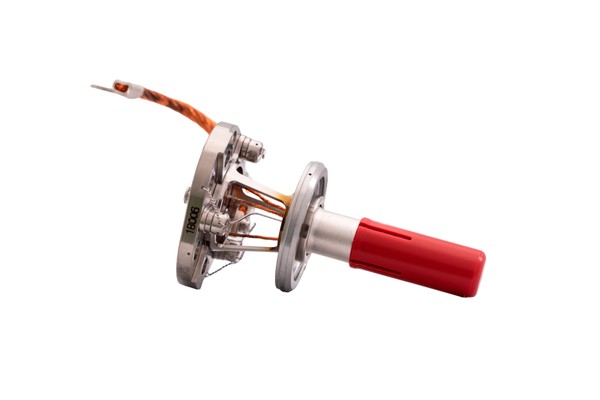
A 0.040 kg (ex. FCV) mass thruster using non-toxic propellant and designed for small satellites and CubeSats. The system has a thrust range of 30 to 100 mN and specific impulse of 196 to 209 s. The system's versatility has been designed to enable new applications for satellite operators along with improving safety and efficiency during integration.
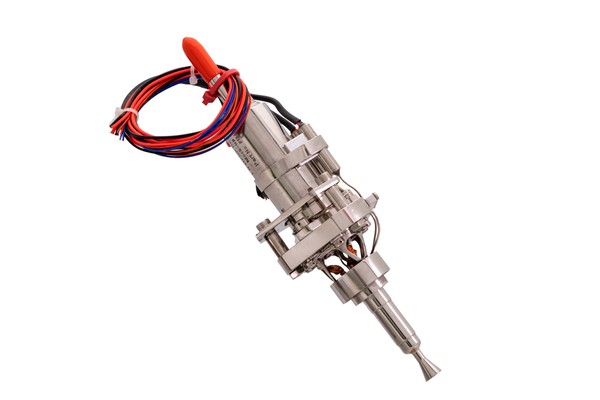
ECAPS's 1N HPGP Thruster is designed for attitude and orbit control of small-sized satellites. 46 1N HPGP thrusters have been demonstrated to date, aboard the PRISMA spacecraft and the SkySat series. The system is ECAPS' most heritage line of thrusters and is most popular with small to medium sized spacecraft, up to 750 kg.
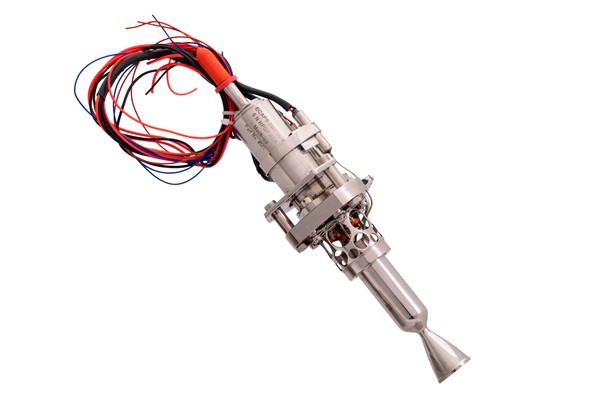
The ECAPS's 5N HPGP Thruster is designed for attitude, trajectory and orbit control of small and medium satellites, providing higher thruster when and where it is needed. The 5N HPGP thruster is currently undergoing a test fire campaign with the NASA Goddard Space Flight Center, characterizing the performance of the system.
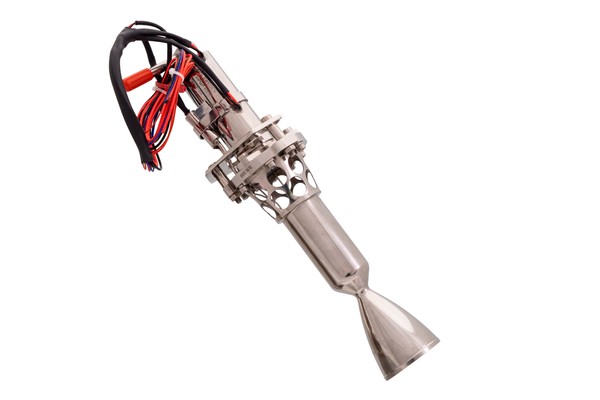
ECAPS's 22N HPGP Thruster is designed for attitude, trajectory and orbit control of larger satellites and for systems such as propulsive payload adaptor rings. The system has a mass of 1.1 kg, a thrust range of 5.5 to 22 N, and a specific impulse of 243 to 255 s. The non-toxic green propellant is designed to enhance versatility, safety, and efficiency during integration and use.
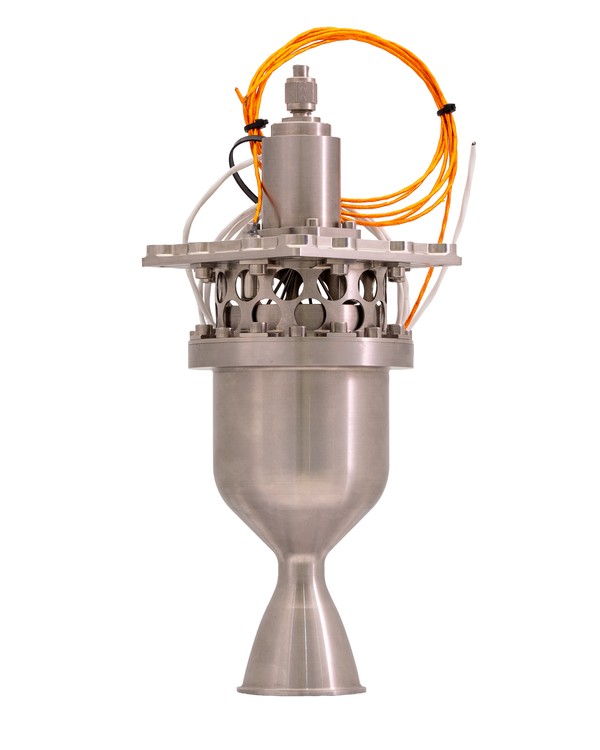
ECAPS's 200N HPGP Thruster is designed for launch vehicle upper-stage reaction control and potential defense applications, such as missile defense. The system uses non-toxic propellant for added versatility, safety, and integration efficiency.
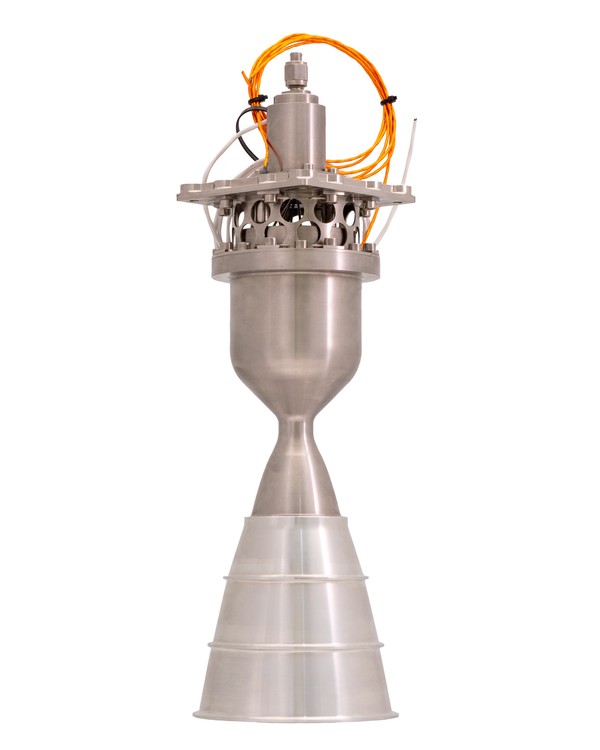
The Bradford Space 220N HPGP Thruster is a high-power propulsion unit suitable for upper stages and deep space missions. It utilizes proprietary High Performance Green Propulsion (HPGP) technology with LMP-103S propellant for enhanced performance and safety.
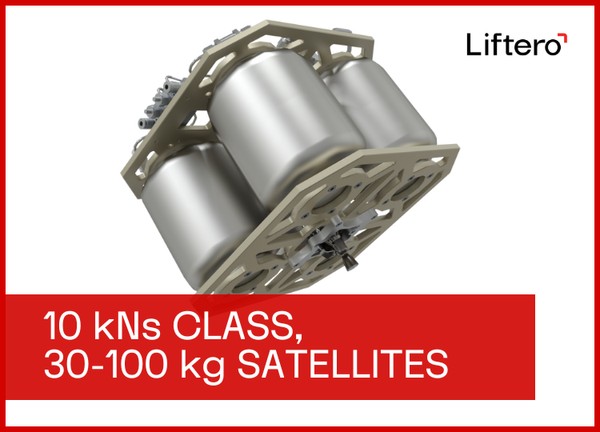
Whisper is a turnkey chemical propulsion system based on nitrous oxide and propane. We offer complete propulsion systems tailored to your needs.
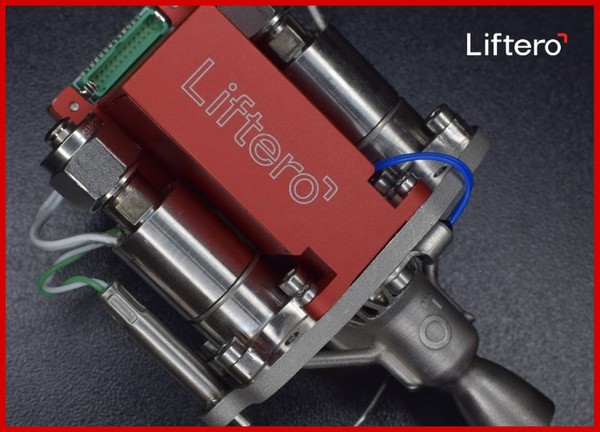

The Rafael Ltd 1N thruster is a monopropellant hydrazine thruster suitable for maneuvering the satellite, and is qualified for the OFEQ program. The thruster consists of a Flow Control Valve (FCV) that is operated by solenoid and a Thrust Chamber Assembly (TCA). The TCA has a bell-shaped nozzle with an expansion ratio of 130. The thruster has flight heritage and is free of any ITAR restrictions.

The Rafael Ltd 5N thruster is a monopropellant hydrazine thruster suitable for maneuvering the satellite, and is qualified for the OFEQ program. The thruster consists of a Flow Control Valve (FCV) that is operated by solenoid and a Thrust Chamber Assembly (TCA). The TCA has a bell-shaped nozzle with an expansion ratio of 50. The thruster has flight heritage and is free of any ITAR restrictions.

The Rafael Ltd 25N thruster is a monopropellant hydrazine thruster suitable for maneuvering the satellite, and is qualified for the OFEQ program. The thruster consists of a Flow Control Valve (FCV) that is operated by solenoid and a Thrust Chamber Assembly (TCA). The TCA has a bell-shaped nozzle with an expansion ratio of 60. The thruster has flight heritage and is free of any ITAR restrictions.

The Rafael Ltd 45N thruster is a monopropellant thruster suitable as satellite launcher thruster with hydrazine as propellant. The thruster consists of a Flow Control Valve (FCV) that is operated by solenoid, MS 33656-4 inlet interface and a Thrust Chamber Assembly (TCA) with a nozzle of expansion ratio 50. The thruster has flight heritage and is free of any ITAR restrictions.
Electric propulsion systems
Electric propulsion systems typically work by using electric or magnetic force to expel a propellant, thus creating a propulsive force in the opposite direction.
Thrusters utilizing electric propulsion can often operate at a higher specific impulse than those using chemical propulsion, therefore they require less propellant and have a higher mass efficiency. Ion thrusters are one of the most common forms of electric propulsion system; thrusters in which ions are accelerated to generate force.
Other sub-categories of ion thruster and electric propulsion system include Hall Effect Thrusters (HETs), Field-emission electric propulsion (FEEP) thrusters, electrospray thrusters, vacuum arc thruster, and electrothermal propulsion units.
Get more information on all products listed at the click of a button
We can help you access quotes, lead times, or any other information from all of the suppliers listed below (and more) with our simple, free tender system. Just share your details with us and wait for the responses to arrive in your inbox.
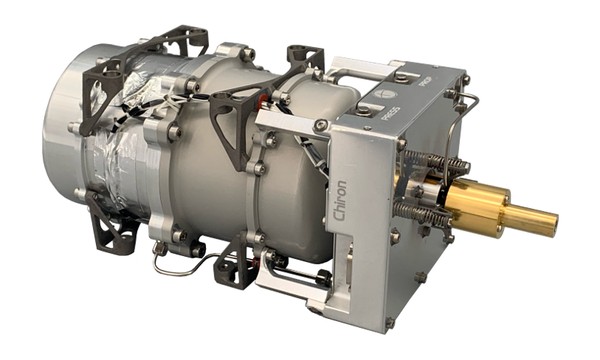
A launch-safe and cost-effective electrothermal propulsion system that uses water as propellant. The Comet produces 17 mN thrust with a specific impulse of 175s. It is approved for flight on multiple launch vehicles and features a flexible interface suitable for use with a wide range of spacecraft sizes.
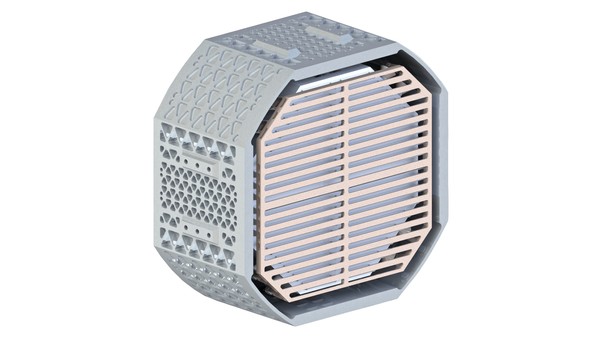
The ENPULSION NEO thruster is the next step in the FEEP technology evolution. By stepping up the number of ion emission sites by an order of magnitude compared to previous electrospray thrusters it allows high power and high thrust operation. The ENPULSION NEO thruster carries over the simplicity, ease of integration, and unmatched impulse density of ENPULSION’s products. Development and qualification of the ENPULSION NEO thruster is supported by the European Space Agency through the ARTES program. Qualification of the thruster system is scheduled to start in early 2025.

While the required power to operate the ENPULSION NANO starts at around 10 W, at higher thrust levels one can choose between high thrust and high specific impulse operation. The ENPULSION NANO can operate at at an Isp range of 2,000 to 6,000 s.

While the required power to operate the ENPULSION NANO R³ starts at around 8 W, at higher power levels one can choose between high thrust and high specific impulse operation. The ENPULSION NANO R³ can operate at an Isp range of 2,000 to 6,000 s.

The ENPULSION Nano AR³ uses differential emission throttling within the proprietary crown ion emitter to control actively the emitted ion beam and, therefore, thrust.

Building on the heritage of the ENPULSION NANO, ENPULSION has developed a scaled version of the technology to target small and medium size spacecrafts. The ENPULSION MICRO R³ is engineered in a modular approach, with units clustering easily together to form building blocks.

The IENAI SPACE Adaptable THruster based on Electrospray for NAnosatellites (ATHENA) is a fully customizable, on-board electric propulsion system, that can be tailored to spacecraft platform constraints, and specific mission requirements.
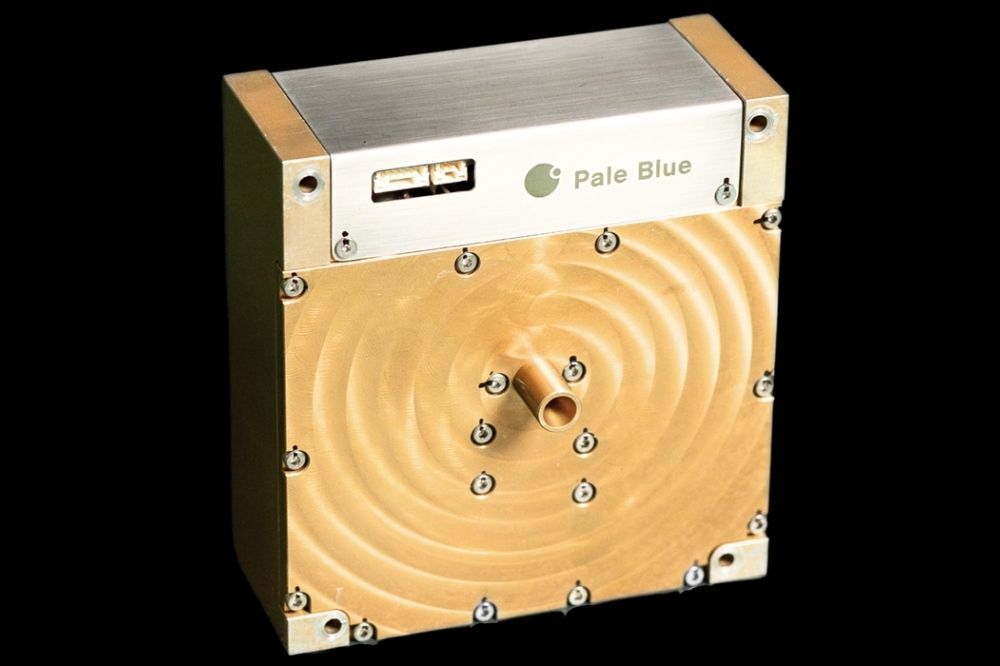
PBR-10 (Water-based Resistojet Thruster) is a low-pressure (<60 kPa) propulsion system with a scalable water tank and a redundant flow control system with a fail-safe valve. The thruster unit is modular and it is possible to expand the overall system by clustering multiple units and scaling the propellant tank as needed. The limits of such clustering or scaling are determined by the mass, volume or power of a spacecraft.
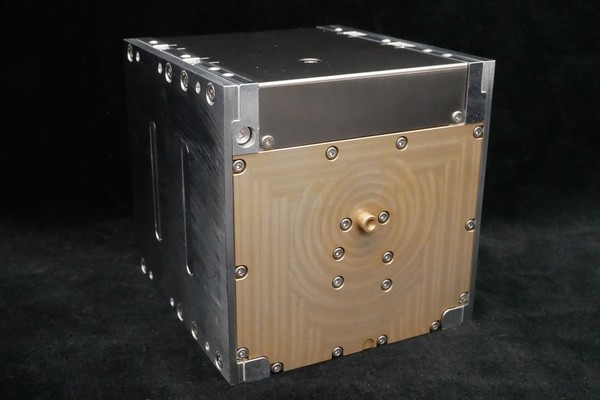
PBR-20 (Water-based Resistojet Thruster) is a low-pressure (<60 kPa) propulsion system with a scalable water tank and a redundant flow control system with a fail-safe valve. The thruster unit is modular and it is possible to expand the overall system by clustering multiple units and scaling the propellant tank as needed. The limits of such clustering or scaling are determined by the mass, volume or power of a spacecraft. The individual units provide a total impulse of >220 Ns and a specific impulse of >70 s, with a thrust of 1 mN. The first model was demonstrated aboard a 3U ISS-deployed CubeSat in 2019 and two flight model thrusters are to be delivered in 2021 and launched by SLS and Falcon-9, respectively. The thruster operated in low earth orbit in March 2023 on board the Sony "EYE" satellite.
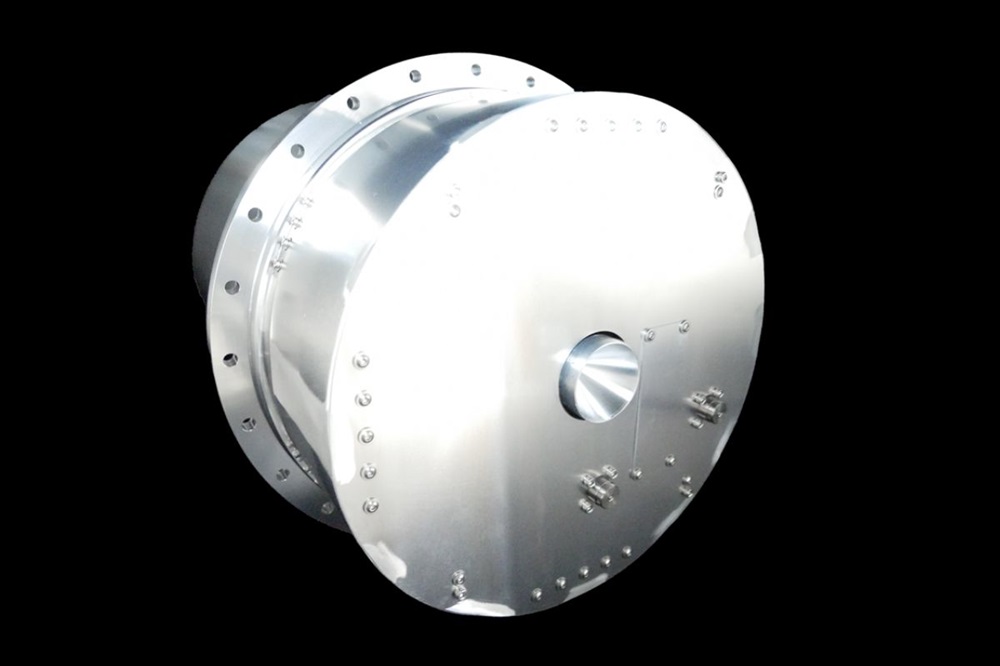
PBR-50 (Water-based Resistojet Thruster) is a low-pressure (<60 kPa) propulsion system with a scalable water tank and a redundant flow control system with a fail-safe valve. The thruster unit is modular and it is possible to expand the overall system by clustering multiple units and scaling the propellant tank as needed. The limits of such clustering or scaling are determined by the mass, volume or power of a spacecraft. The individual units provide a total impulse of >4,400 Ns and a specific impulse of >70 s, with a thrust of 10 mN. The first model was launched in early 2024.
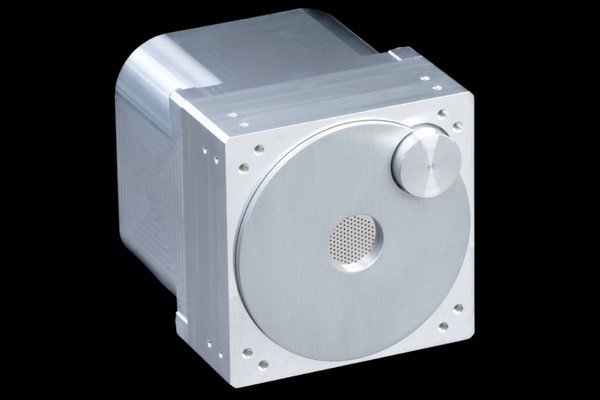
PBI (Water Ion Thruster) is a low-pressure, low-power propulsion unit with a scalable water tank and a redundant flow control system. It features hollow cathodes and electrodes for enhanced lifetime of the overall system. It features both UART and RS422 command interfaces. The propulsion system is modularized and it is also possible to enhance the overall system by clustering thruster units and scaling the propellant tank as needed. Two micro-discharge ion thrusters driven by Xenon were demonstrated in 2014 and 2015, and two flight model propulsion systems were delivered to JAXA in 2021. The latest upgraded model is planned to launch in 2025 through the JAXA RAISE-4 Program.
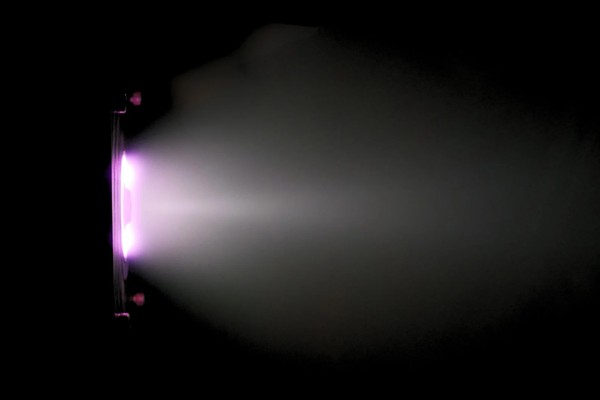
PBH (Water Hall Thruster) is a low-pressure, low-power propulsion unit with a scalable water tank and a redundant flow control system. It features hollow cathodes and electrodes for enhanced lifetime of the overall system. It features both UART and RS422 command interfaces. The propulsion system is planned to launch by 2028.

The Rafael Ltd R-800 thruster is a Hall-effect thruster (HET) suitable for low to medium mass satellite platforms (<1,000 kg). With Xenon as propellant, the system features a permanent magnet and center-mounted low current heaterless hallow cathode configuration resulting in a low volume and mass footprint and low power consumption. The gas distributor of the thruster also serves as the anode.

The Rafael Ltd Israeli Hall-Effect Thruster IHET-300 is a hall effect thruster operating on Xenon as propellant suitable for small and microsatellite. The IHET-300 thruster is part of the Electric Propulsion System (EPS) on Venus program. The thruster’s operational anode power may utilize the instantaneous available power from the satellite.

The Rafael Ltd R-200 EPS is an Electric Propulsion System consisting of R-200 Hall Effect thruster (HET) with Xenon and Krypton as propellants. The system also includes power processing unit and propellant management assembly. The space-qualified R-200 EPS is an improved version of the Rafael’s R-400 EPS. The system is fully space-qualified.
The Rafael Ltd R-200 thruster is a Hall Effect Thruster (HET) suitable for low to medium mass satellite platform with Xenon as propellant. The non-conventional configuration of having an elongated discharge channel and co-axial anodes helps overcome the low mass utilization efficiency issues. The system is fully space-qualified and has undergone vibration, shock and full lifetime tests.
The Rafael Ltd R-800 EPS is a Eelctric Propulsion system consisting of two R-800 Thruster, PPU, Propellant Tank, Propellant Feed System.The Rafael Ltd R-800 thruster is a Hall-effect thruster (HET) suitable for low to medium mass satellite platforms (<1,000 kg). With Xenon as propellant, the system features a permanent magnet and center-mounted low current heaterless hallow cathode configuration.
Need help finding the best solution?
Share your requirements with us now
Would you like to be featured on satsearch?
Click here to get started today



Related technologies and further reading
At the links below you can find a range of satsearch articles that will be useful for learning more about this topic, or that feature other categories of technologies which you may need to consider in your mission.