
Stepper motors are used in space systems for a number of mechanical operations. They are utilized to increase control in applications such as positioning deployable solar panels, aligning scientific instruments, and in robotic systems, for example.
In this article we take a look at how stepper motors are used in satellites and space hardware, share some advice on selecting an option for your next project, and give details of several stepper motors from across the global marketplace.
If you’re familiar with how stepper motors for space systems work and would instead like to skip straight down to the information about the products on the market, please click here.
Uses of stepper motors in space missions
A stepper motor is an electric, brushless, DC motor unit that spins in discrete steps. In other words, instead of rotating when switched on, and stopping, at any point when switched off, the system will only rotate to particular angular locations, for precise control.
Stepper motors are sometimes also known as stepping motors or step motors, and they have a variety of uses in space missions, such as:
Observational instruments – stepping motors can provide precise adjustments for alignment, positioning, and focussing of observational subsystems such as satellite cameras, spectrometers, telescopes, and other sensors.
Satellite control – stepper motors are sometimes used in satellites for precise orientation and positioning of instruments and solar panels. This may be for attitude control purposes or deploying external subsystems such as solar arrays, antennas, or de-orbiting devices.
Robotic systems – stepper motors often play a vital role in robotic systems used in space exploration, performing functions such as controlling the movement and positioning of wheels and robotic arms. For more advanced systems they can also provide the necessary control for delicate operations, such as sample collection and assembly tasks.
Like all space hardware, stepper motors must perform reliably under extreme conditions, including vacuum, temperature fluctuations, and radiation exposure. This is particularly important for step motors used in external hardware.
In the next section we take a look at some of the critical technical factors that engineers will want to weigh up when selecting a stepper motor provider for a space mission or service.
Selecting a stepper motor for a space mission
Alongside typical engineering considerations, such as heritage, and your Size, Weight, Power, and Cost (SWAP-C) budget, there are a number of technology-specific technical criteria to weigh up when choosing the right system for your next mission:
- Motor type – there are various step motor configurations available, depending on your needs. For example, you may require a permanent magnet stepper motor, known for simplicity and robustness, a variable reluctance (VR) stepper motor, designed for applications requiring high torque at low speeds, or a hybrid stepping motor, combing aspects of both variations.
- Material and construction – ensure that the stepper motor you are considering is made from materials that are rated for space.
- Radiation hardening – depending on the mission plan and the application for which the stepper motor is to be used, and whether it is to be situated outside of the satellite or spacecraft, it may require additional radiation protection.
- Precision requirements – there are commercially-available stepper motors for space with a range of precision levels to consider. You may need, for example, a system that enables microstepping for finer levels of control, and/or integration with feedback systems, such as encoders, enhances the accuracy and reliability of positioning.
- Thermal management – depending on their size, load, and location in a space system, a stepper motor can produce unwanted (or even dangerous) excess heat. Therefore, consider the level of thermal management that will be needed; e.g. altering the motor’s position, adding thermal insulation or coating, or even incorporating a thermal strap to move the excess to a heat sink.
In the next section you can view stepper motors from suppliers across the market.
Stepper motors for space on the global market
This section includes a variety of stepper motors for space systems available on the global market today. Click on the links to open pages with more detail on each system.
From these pages you can submit requests for quotes, documents, or further information by the supplier, and we’ll handle the request for you (find out more about how this all works here).
If you want to shortcut this process, or need some assistance refining either your specific stepper motor or more general in-orbit actuation requirements, you can instead submit an open tender and our expert procurement team will get back to you ASAP.
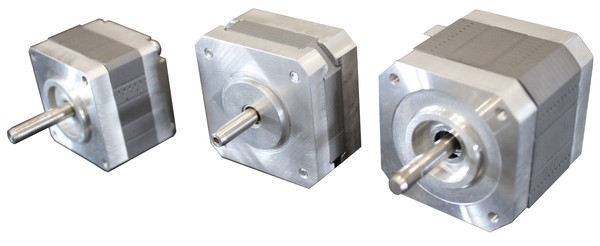
Space grade stepper motors for solar array drive assemblies, gimbals, and robotic arms. Available in NEMA 11 to NEMA 34 sizes.
 Request quote
  request info
AMS develops a line of space-qualified standard motors that are pre-engineered, tested, and qualified for use in space applications.
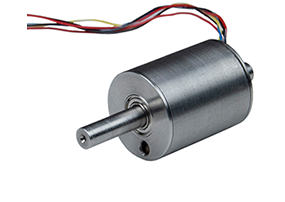
Ducommun is a global provider of innovative manufacturing solutions for customers in the aerospace, defense and industrial markets.
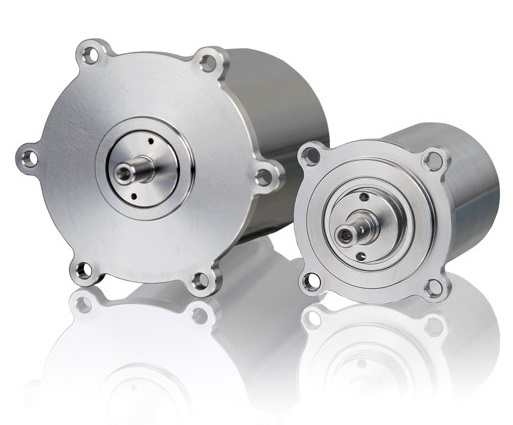
Elkay is a reliable source for Hi Tech Electronic components, specializing in services for Design-In, System Integration and IT Products & Services.
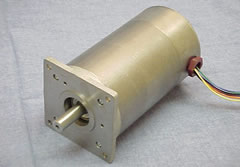
Empire Magnetics provides quality motor products designed to perform in environments and applications where ordinary motors are unsuitable.
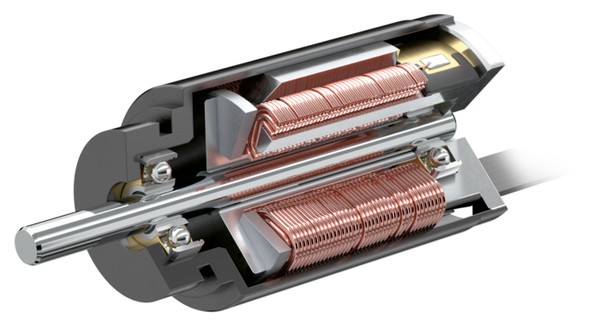
Faulhaber specialises in the development, production and implementation of high-precision small and miniature drive systems for aerospace applications
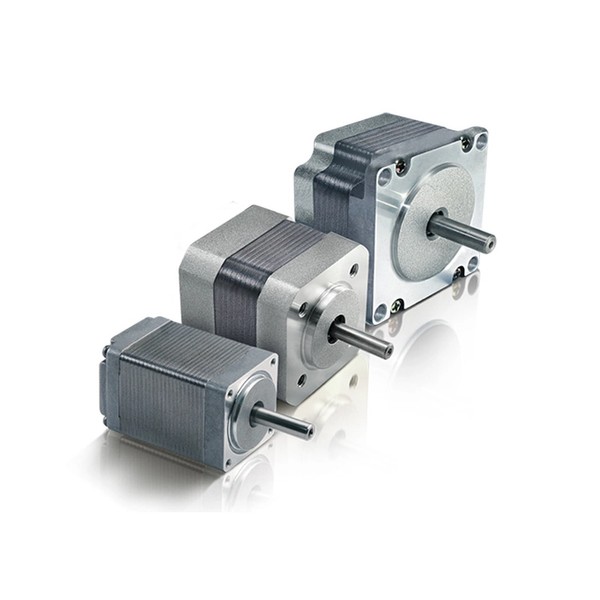
Lin designs, engineers, and manufactures stepper motors, BLDC motors, linear actuators, and other motion control products for aerospace applications.
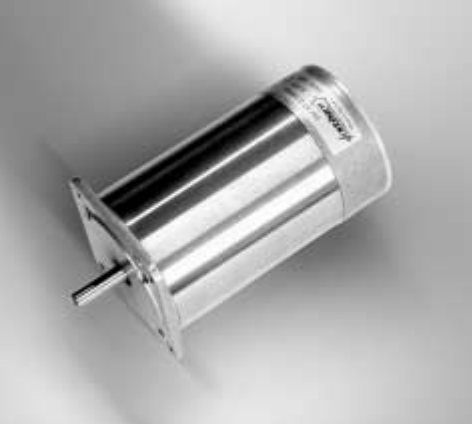
Maccon develops, manufactures and distributes components and motion control systems, including electric motors, controllers and electromechanics.
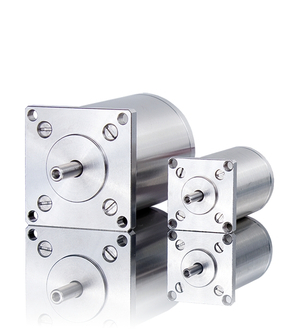
Phytron pioneers in high-tech automation solutions such as high-precision stepper motors, linear actuators, power electronics and control.
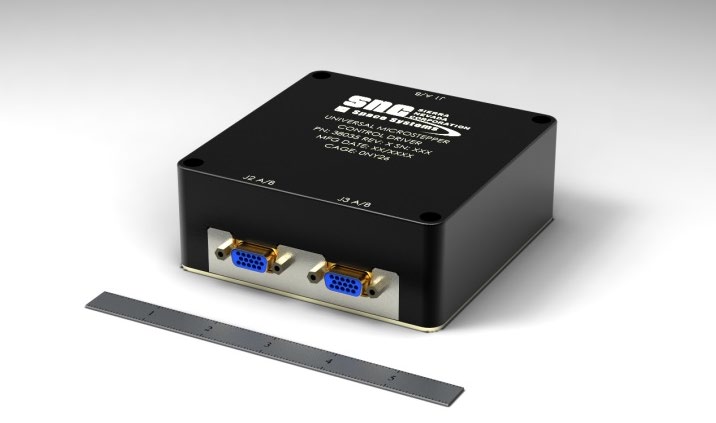
Sierra Space's Universal Microstepping Control Driver is a versatile stepper motor driver providing two channels of motor control.
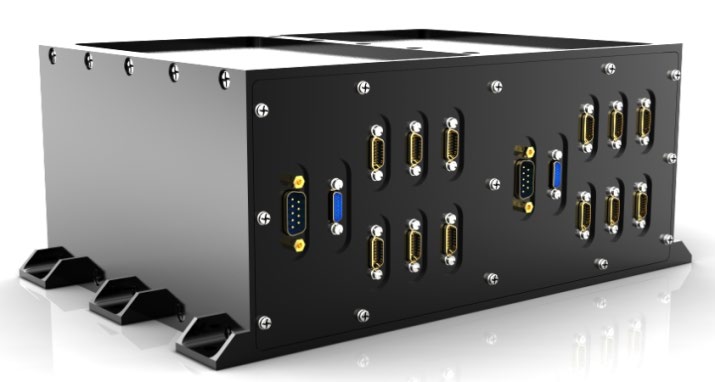
Sierra Space's Electronic Control Unit (ECU) is a versatile stepper motor driver providing 12 channels of motor control.
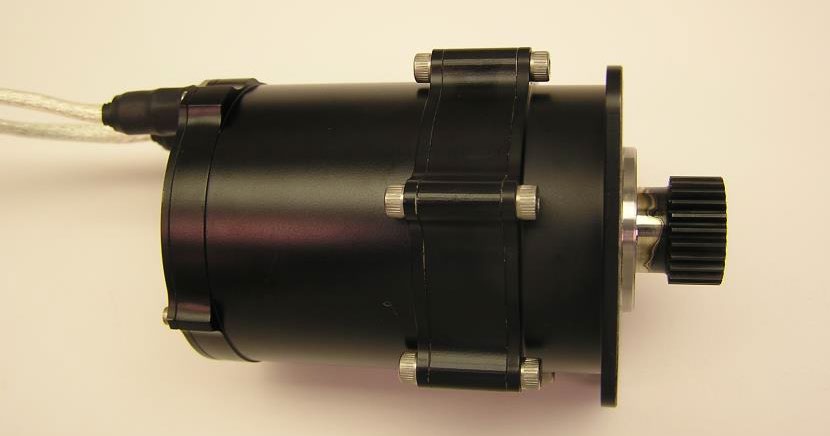
Sierra Space's incremental actuator configured around a Size 23 hybrid stepper motor and a 10:1 planetary gearhead with output step resolution of 0.
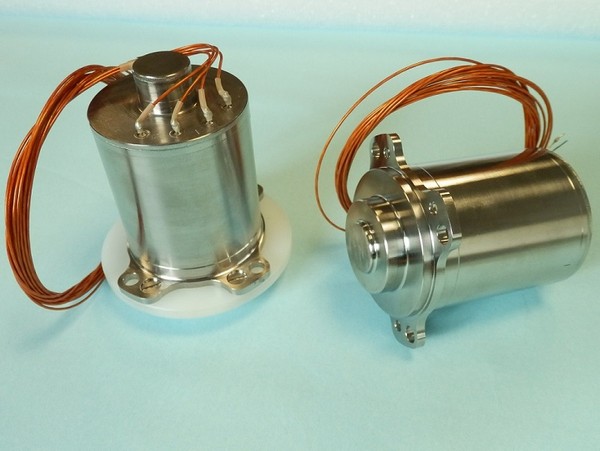
SOTEREM specializes in experimental devices, electro-mechanism and electric motors for the first tier of space, nuclear, aeronautics and defence.
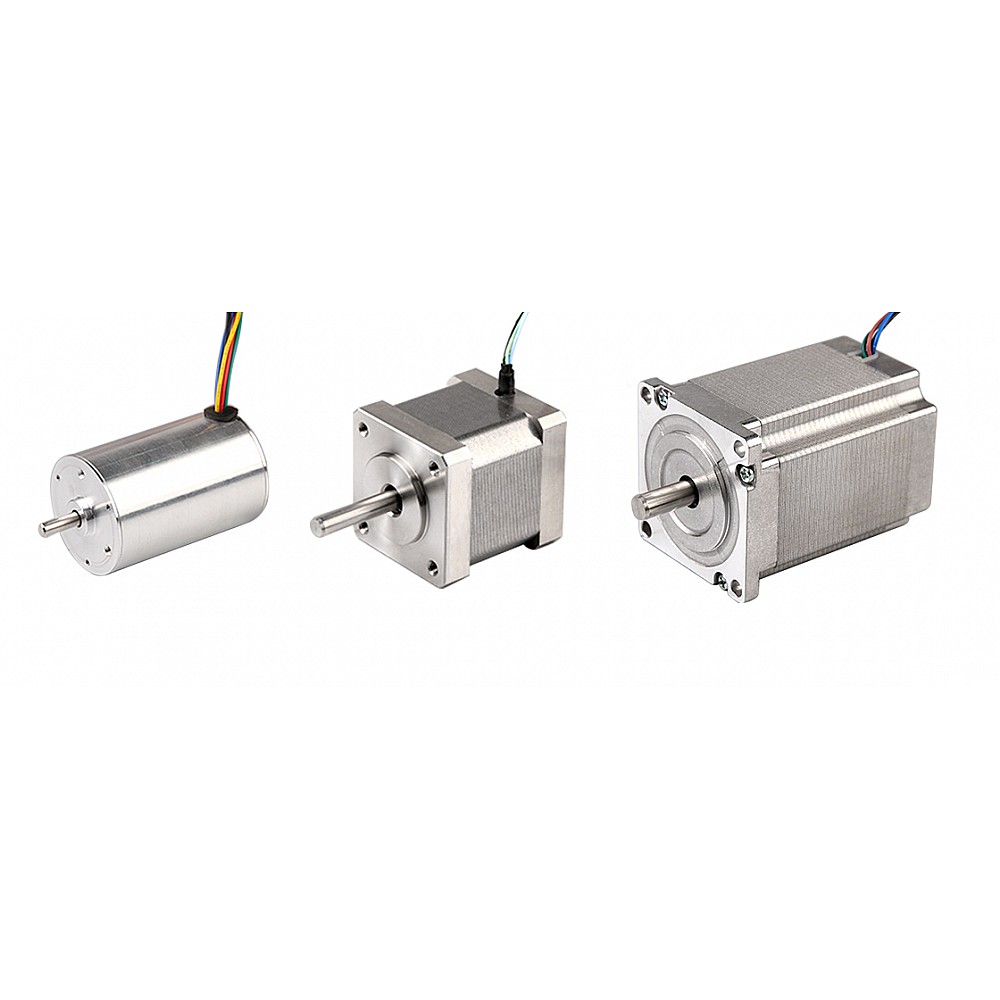
STEPPERONLINE provides stepper motor, stepper motor driver and accessory products for companies and customers in different skill levels.
Need help finding the best solution?
Share your requirements with us now
Would you like to be featured on satsearch?
Click here to get started today



Resources and further reading
At the links below you can find a range of satsearch articles that will be useful for learning more about this topic, or that feature other categories of technologies which you may need to consider in your mission.
- Solar Array Drive Assemblies (SADAs)
- Satellite electrical power systems (EPS) on the global market
- CubeSat thrusters and in-space propulsion
- Software-defined radios (SDRs) for space
- Control moment gyroscopes
- On-board computers (OBCs) for space
- Optical payloads for space
- Satellite software providers on the global market
- Payload processors for satellites
- A brief introduction to the space supply chain