Ensuring thermal stability using heaters for space systems is important for a wide variety of applications.
In this article we discuss how space heating elements are deployed in today’s missions and share details of options available across the global supply chain in May 2025.
If you are familiar with how space and satellite heaters work and would like to skip straight to the supply chain overview, please click here.
Operating at the extremes
The harsh environment of space makes many demands of hardware engineers. Navigating intermittent communication, non-trivial power provision, high radiation, and extreme operating temperatures, space hardware needs to work reliably without any external maintenance or intervention.
Ensuring a stable thermal environment inside a satellite or spacecraft is a key part of this engineering challenge. Many components require cooling for optimal performance, for which thermal straps, heat pipes, and other solutions making use of the cooling capacity of space itself can be employed.
And for those that require heating up to a more useful temperature, space heaters or heating elements are typically used.
The applications for such systems are very diverse. Heaters have been used in the following ways in orbit:
- To keep electrical circuits operating with the required performance,
- To ensure that on-board batteries get up and running rapidly, and remain in an optimal state,
- To pre-heat propellant before use in a satellite thruster,
- To guard against icing up of propellant (or other materials onboard) during storage and early mission phases,
- To ensure temperature stability of optical payloads, and
- To reach the activation temperature of actuator systems, such as shape memory alloy technologies.
Heaters for space systems need to operate with precise temperature control to ensure the optimum range is achieved as quickly and efficiently as possible, when needed.
In addition, they must protect other subsystems, parts, and components by exhibiting minimal outgassing and stable operation. Dual redundancy is also common, with two heaters running in series in case of a failure or disruption in one of them.
Such considerations mean that selecting a heater provider is an important design choice, something we look at in more detail in the next section.
Selecting a heating solution for your next mission
The need for a heating solution will usually be driven by specific mission engineering and performance requirements, that can of course be subject to change and revision as the project develops. In addition, many space heater manufacturers offer various customization options for different hardware setups and applications.
It is therefore important to engage with potential suppliers early so you can understand what is possible and how much SWaP-C budget it is likely to cost. This will of course feed back into system of systems design iterations too.
In these conversations, here are some of the most important characteristics and performance criteria to consider when choosing between heaters:
- Customization options – determine how the size, shape, setup and contours of the heating elements can be tuned to your mission needs
- Heat-up and cool-down times – ensure the times it will take to get to your required temperatures are suitable for your mission plan
- Lifetime – the heater must last at least as long as the components being heated
- Thermal stability and uniformity – a good heater will ensure a stable thermal environment, when needed, throughout operation, with minimal temperature gradient across the heated areas
- Ability to meet specific electrical requirements – the most suitable heating element will work efficiently with both the power that can be provided to it and with the electrical components that require heating (if required) to ensure they can perform optimally
- Failsafe options and redundancy – as mentioned above, the ability for a heater to work effectively in the event of a failure or disruption is very important, so ensure you understand what the options are here
Alongside such criteria, engineers should of course rely on the typical trade study factors when assessing options. Characteristics such as size, weight, power, cost, lead time, availability, export controls, and after-sales support will all play a role.
As mentioned, heating elements are often highly customized for particular mission needs. Therefore, it is important to get a thorough understanding of how any specific heater solution was made and calibrated when reviewing qualification data and heritage information.
And finally, because of the highly integrated and bespoke nature of a heating system, it is equally as important to assess the supplier themselves in the procurement process – because you are likely to need to communicate and work with them for an extended period of time.
Making this judgement relies on many different factors, from the team’s track record and heritage to the current operational setup they have to serve existing customers.
Please let satsearch know if you need support in this phase – we have have helped hundreds of mission teams identify and engage with suitable suppliers and leaning on our expertise could save you a lot of time and money at each stage of your mission development.
Now that we have considered some of the key selection criteria for a heating system, next let’s take a look at options on the market in May 2025.
Heaters for space systems on the global market
This section includes a variety of heaters for satellites and space systems available on the global market today. Click on the links to open pages with more detail on each system.
From these pages you can submit requests for quotes, documents, or further information by the supplier, and we’ll handle the request for you (find out more about how this all works here).
If you want to shortcut this process, or need some assistance refining either your specific space heating element or more general thermal control requirements, you can instead submit an open tender and our expert procurement team will get back to you ASAP.


The Zoppas Industries Flexible Heating Element is designed for thermal applications in space. The flexible heating element consists of an etched foil resistive element laminated between two acrylic insulation layers, providing excellent tensile strength, tear resistance, and dimensional stability. With its thin design and construction, it can be easily applied without sacrificing efficiency or dependability.
 Request quote
  request info
The Zoppas Industries Polyimide-FEP Heating Element is designed for spacecraft, pressurized modules, launch vehicles, and ground-based antennas as per ESA's ESCC 4009/002 specification (qualified since 1992). It is produced by an etching process delivering a thin and lightweight flexible heater, which provides significant tensile strength, tear resistance, and dimensional stability.

The Zoppas Industries Polyimide-Acrylic Heating Element is designed for spacecraft, pressurized modules, launch vehicles, and ground-based antennas as per ESA's ESCC 4009/004 specification (qualified since 2015). The heater design can be fully customized with design options that other heater types cannot match or meet the particular mission demands.
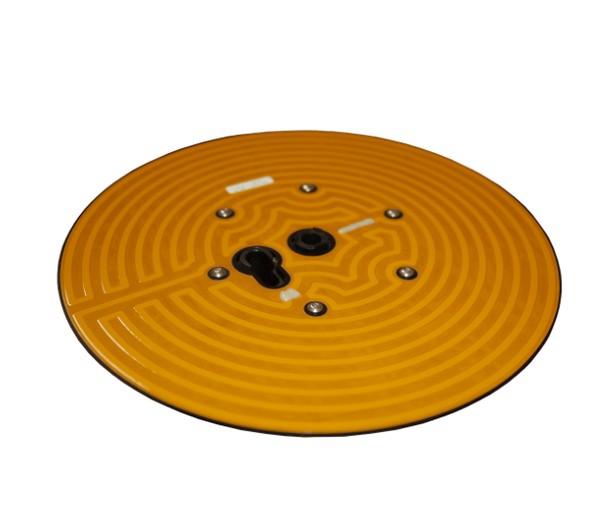
All Flex Solutions' Polyimide Flex Heaters are designed for applications with tight bend radius, low profile and/or when a high degree of thermal control is required.
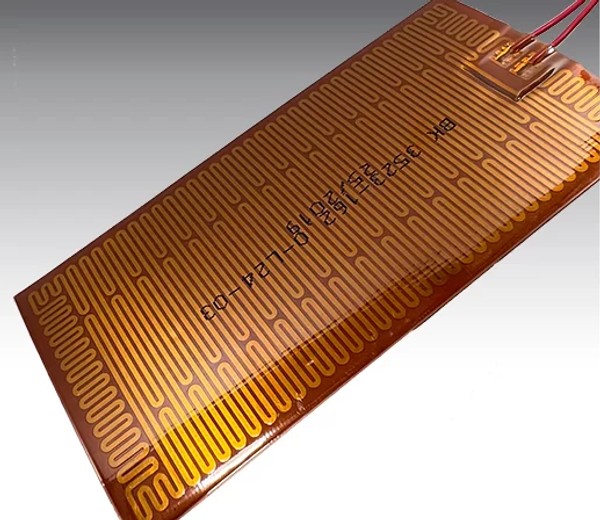
Birk Engineering designs and manufactures a range of customized thermal solutions that can offer flexible heating solutions for satellites and other space assets.
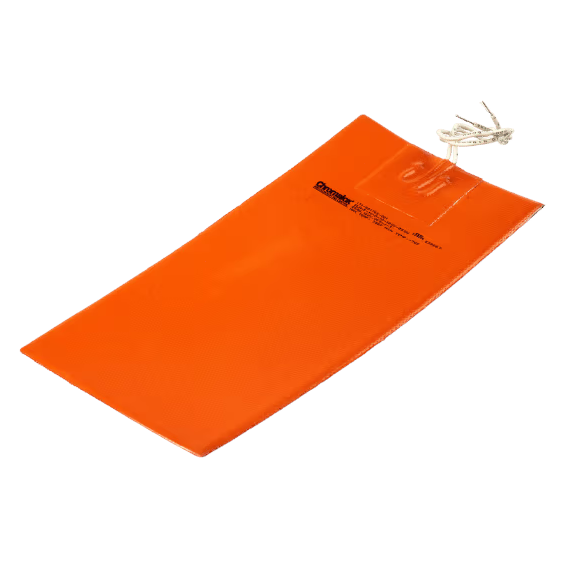
Chromalox provides flexible heaters for space systems that can be customized in terms of size, shape or contour, and can be used to apply direct and efficient heat without sacrificing dependability.
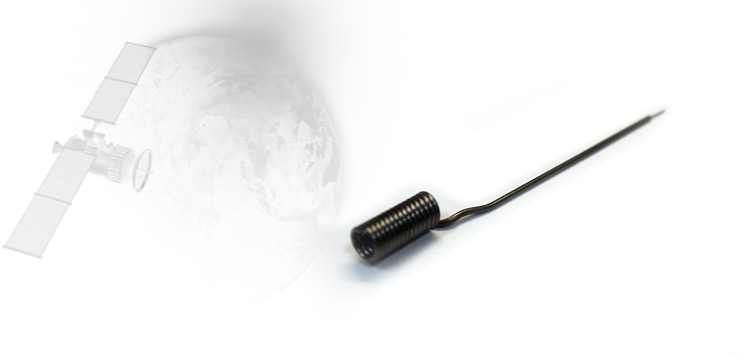
HarcoSemco's satellite heaters utilize Sempak® material and are designed to offer ultra-high reliable heaters for space applications, including on satellite ion drive engines.
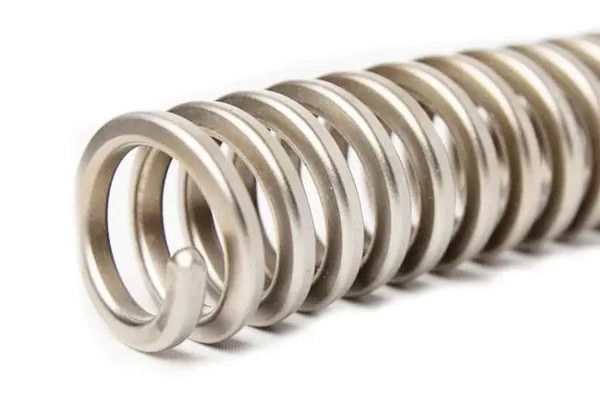
Kamet's cathode heaters for ion thrusters are designed to efficiently generate the excitation heat needed to start the plasma flow.
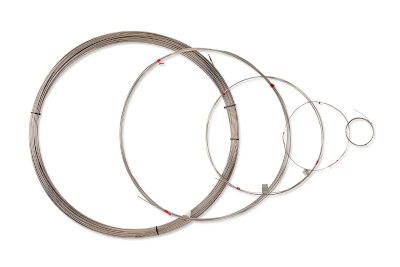

Minco's flexible polyimide Thermofoil™ heaters are designed to offer rugged and reliable thermal performance in a thin and low-mass package.
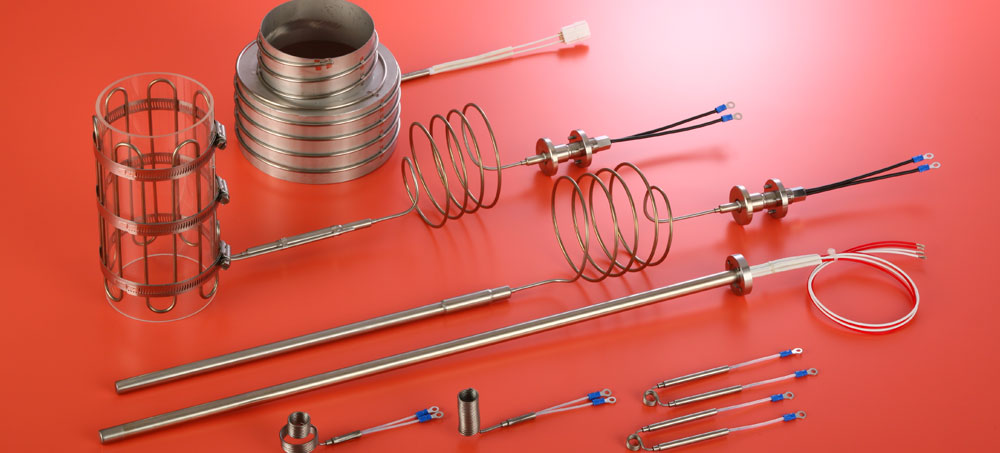
Okazaki Manufacturing Company offers a range of flexible heating solutions for space systems designed to achieve and maintain consistent thermal environments efficiently.
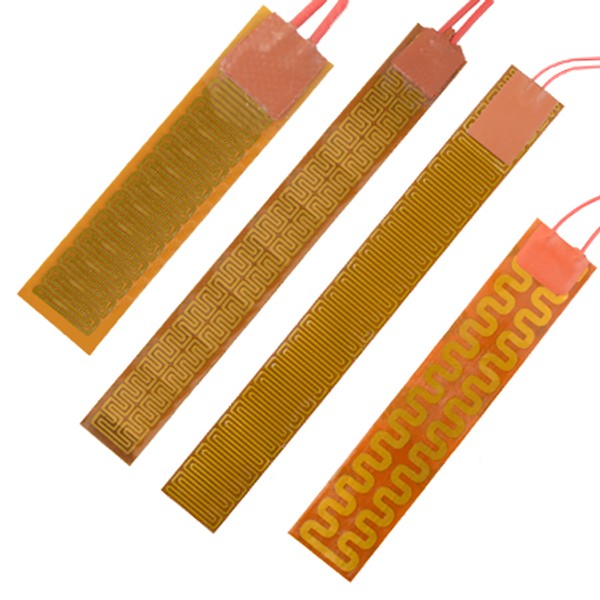
OMEGA's Polyimide Insulated Flexible Heaters are polyimide film insulated (also known as Kapton) flexible heaters available in a variety of shapes, sizes, and wattages.
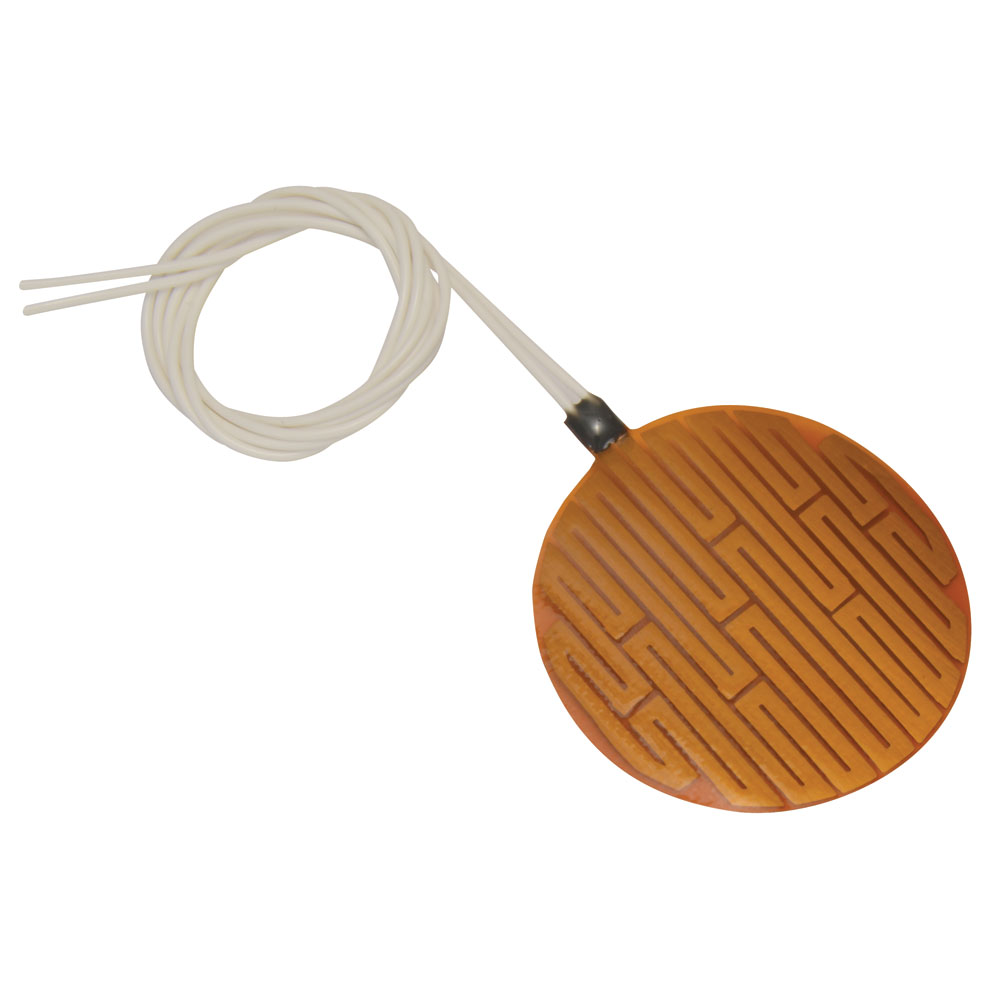
Tempco's etched Foil Kapton flexible heaters are designed to offer consistent thermal performance in space. The heating elements are made of thin metal foil (.001"), usually a nickel base alloy, as the resistance element.

Thermocoax offers a range of customizable heating elements for various applications in space, to enhance thermal control and stability in orbit and beyond.
Solutions are available to ensure the thermal stability of optical payloads and electrical circuits, activate shape memory alloy actuators, and provide thermal control in heat pipes and other units.
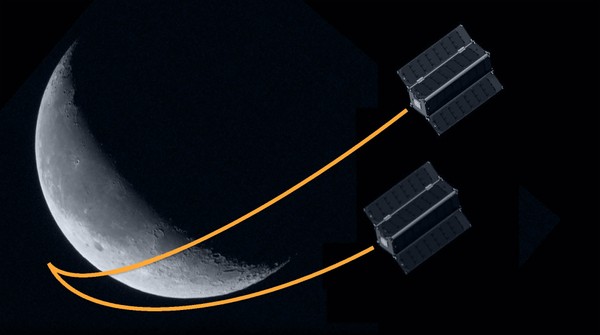
Thermocoax manufacturers a range of standardized and bespoke pre-heating solutions for thruster propellant.
Need help finding the best solution?
Share your requirements with us now
Would you like to be featured on satsearch?
Click here to get started today
Resources and further reading
- Supply chain brief 2 – Zoppas Industries Heating Element Technologies (ZIHET) (December 2024)
- Case study: enhancing thermal management of space hardware – with Acktar
- The Space Engineering Resource Hub
- Multi-layer insulation (MLI) for satellites
- Thermal Vacuum Chamber (TVAC) products and services on the global market
- Thruster propellant tanks on the global market
- Parts of satellites – an overview of the main components
- Space electronics supply chain hub