Optical inter-satellite links (OISLs) are often described as a viable solution to high speed and high volume data transmission in Low Earth Orbit (LEO).
In this article we discuss how laser-based ISL is being used, and designed with, in today’s space missions.
We then share details of units on the market as of May 2025, with further information on each available on the satsearch supply chain platform.
If you are familiar with OISL solutions and would like to skip straight to the supply chain overview, please click here.
The need for (light) speed
The issue of over-crowding across the radio frequency (RF) spectrum in LEO is well-known. Every year more satellites and spacecraft are launched, adding traffic to the already busy and highly regulated bands.
In addition, such satellites are more versatile than ever and often have the ability to communicate with multiple assets in different ways. A plethora of powerful next-generation satellite communications capabilities have made it possible for satellites to interface with other networks and systems with greater efficiency and at lower size, weight, and power (SWaP) budget allocation.
The growing problems of space traffic management (STM) and space situational awareness (SSA), keeping hardware safe from debris and interference, are also demanding more powerful communications. Optical systems are designed to solve these issues, with high data rates, low latency, and low power requirements.
Laser inter-satellite links also don’t have the same licensing restrictions as RF systems and they don’t suffer from the same forms of interference. Specifically, optical systems are low probability of intercept (LPI) and low probability of detection (LPD), making them very interesting for defense and surveillance related applications.
A variety of new operating models have also been discussed and developed in recent years that rely on efficient and accurate ISLs. These include the use of satellite hubs for more efficient data exchange and data relay between satellites to optimize mission operations and computing resources.
But the actual deployment of laser-based inter-satellite links has, so far, been varied. The demanding pointing requirements and need for efficient optical ground station capabilities are, in part, the reasons behind this.
Nevertheless, a number of different options are now on the market, or nearing commercial availability, as shown in the next section.
Optical inter-satellite link terminals on the global market
This section includes a variety of laser communications terminals available on the global market today. Click on the links to open pages with more detail on each system.
From these pages you can submit requests for quotes, documents, or further information by the supplier, and we’ll handle the request for you (find out more about how this all works here).
If you want to shortcut this process, or need some assistance refining either your specific optical comms systems or more general satellite communications requirements, you can instead submit an open tender and our expert procurement team will get back to you ASAP.
Please note that all of the systems below have been described by the manufacturer as available on the market in some capacity, but actual procurement options, lead times, and availability may vary. We can help you access any of this supply chain information rapidly – just let us know what you need!
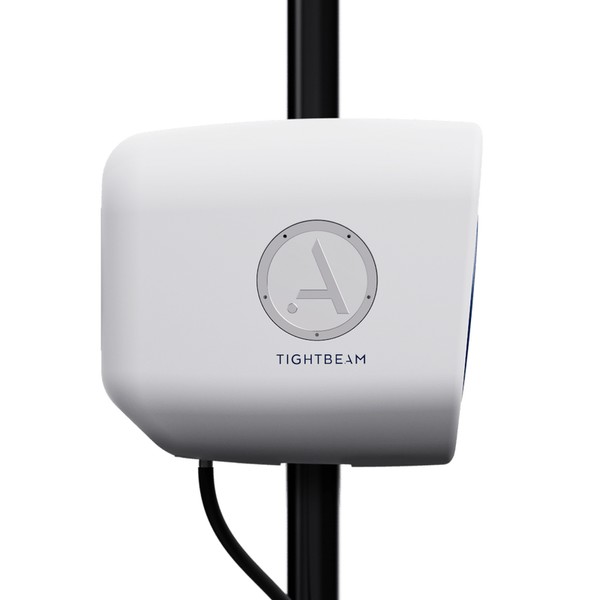
The Aalyria Tightbeam - Optical Communication System is a laser communications solution designed to deliver fast operations, with high data rates, in troublesome atmospheric conditions.
 Request quote
  request info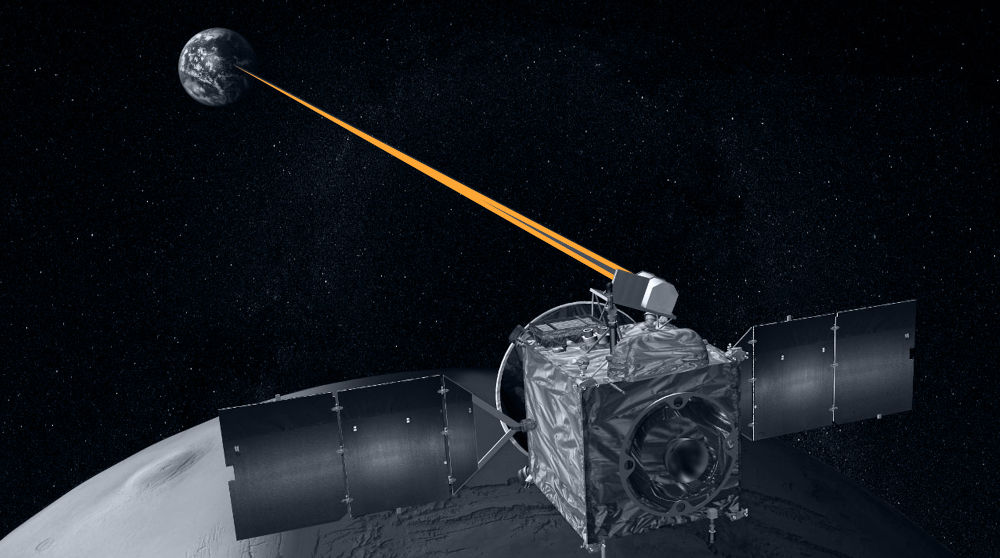
BAE Systems' commercial space-based laser communications solutions are compact optical communications systems designed to offer multigigabit per second data transfer.
Options are available for both space-ground and space-space inter-satellite links (ISL) and the systems include a software-defined modem for enhanced versatility.
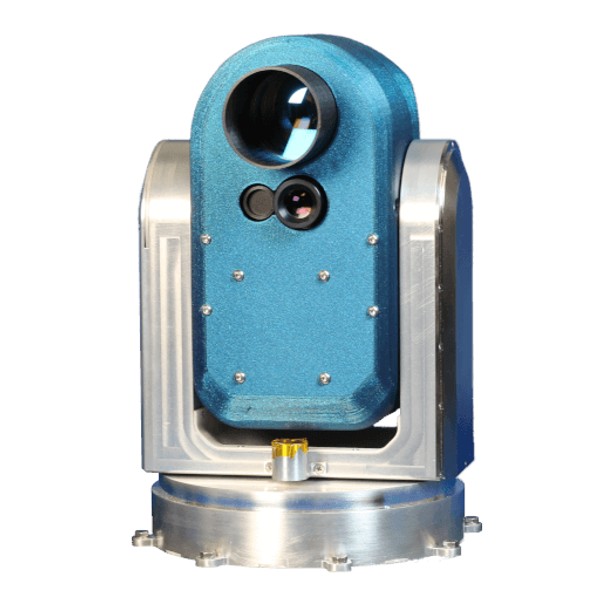
The Blue Cubed Cobalt Laser Communications System is a self-contained lasercom system offering gigabit-per-second class links in a low SWaP device.
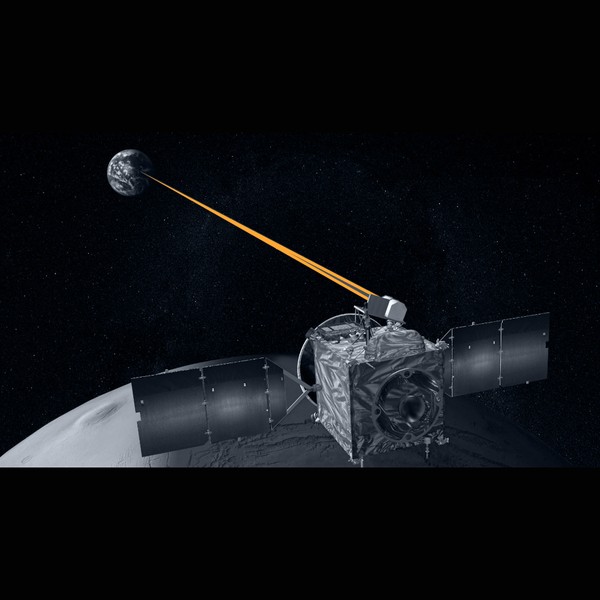
Bridgecomm manufactures Free-space Optical (FSO) Communication Terminals - space and airborne terminals for communications.

The CACI International CrossBeam® Optical Communication Terminal is a robust and flexible Free Space Optical (FSO) system compliant with Space Development Agency (SDA) requirements.
It features a steering optical head with a fine tracking mechanism and a common hemispherical beam, and is suitable for LEO, MEO, and GEO applications.
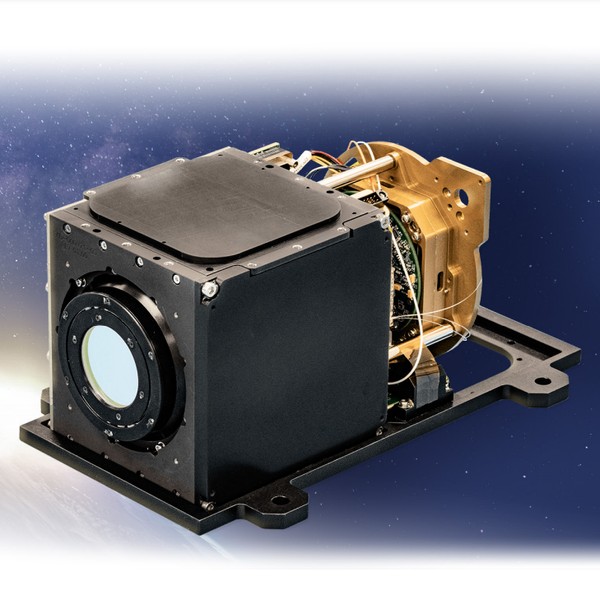
The CACI International SkyLight® Optical Communication Terminal (OCT) is a fully integrated system designed to offer satellite crosslink and up/down link capabilities for CubeSats.
It has a 2-axis beam steering capability that provides ±50° beam steering, in a 1.5U form factor, and it can be utilized for both space-to-ground and space-to-air communication links.
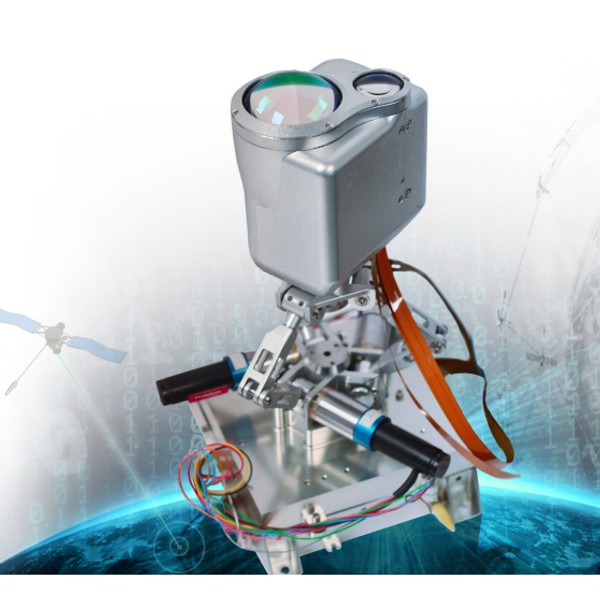
The CACI International Compact Intersatellite Communications and Data Link (CICADA™) Ultra-Lite optical inter-satellite link (OISL) terminal is a low SWaP, full duplex system capable of providing data rates of 150 Mb/s @ 2000 km and 75 Mb/s @ 4000 km.

Hanwha Systems' LEO Inter-Satellite Link (ISL) Technology has been successfully tested at a range of over 1.4 kilometers, recording a data transmission speed of 1 Gbps.
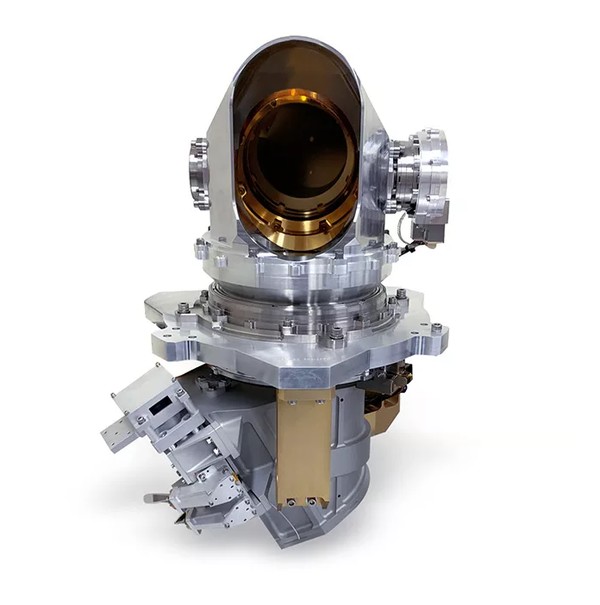
The Honeywell/Ball Optical Inter-Satellite Link (OISL) Communication Terminal is a modular, compact, and full-duplex laser communications system designed to meet the needs of large LEO and MEO constellations.
It is ITAR free and features an optical head unit (OHU), providing the free-space-to-fiber-optic interface, a transceiver for the optical to electrical interface, and controller electronics.

The Mynaric Condor Mk3 is an optical communication terminal suitable for inter-satellite space-space, space-air, space ground connectivity. The optical communication does not require ITU or FCC frequency coordination. The system by design offers higher reliability, performance, bandwidth, and built-in redundancy with 7+ years lifetime in LEO.
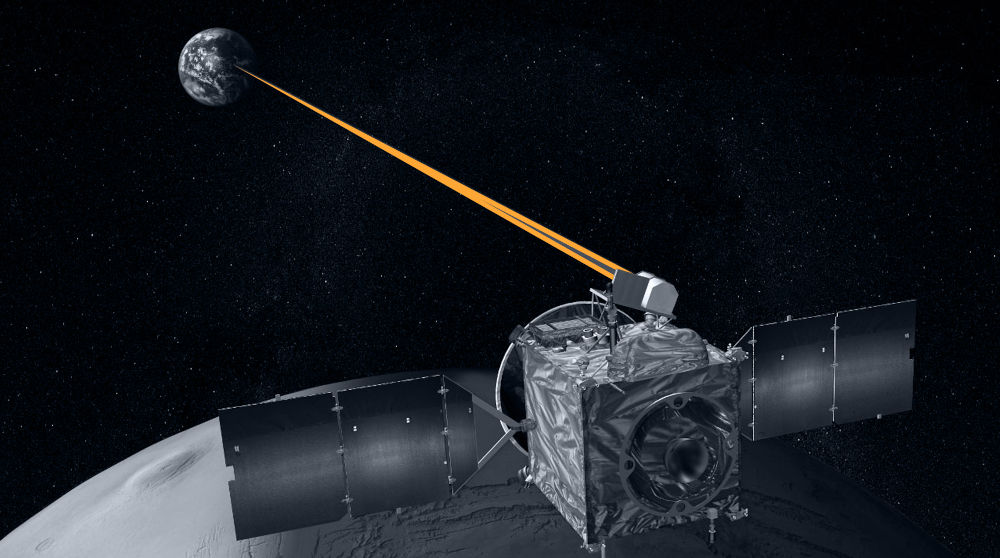
The SpaceX Plug and Plaser is a satellite-based laser communications terminal, and avionics bridge, that utilizes the Starlink satellite and ground station network.
Plug and Plaser terminals are designed to enable high rate and low latency data relay services for systems in LEO, providing optical inter-satellite links (OISLs) in a wide range of mission applications.

The Stellar Project LaserCube is a 2-way laser communication terminal enabling downlink and intersatellite link through optical channels for small satellites. The optical communication solutions are designed to have higher performance than radiofrequency solutions. The system does not have any regulatory or licensing issues and also has an enhanced security as the links cannot be intercept/jammed.
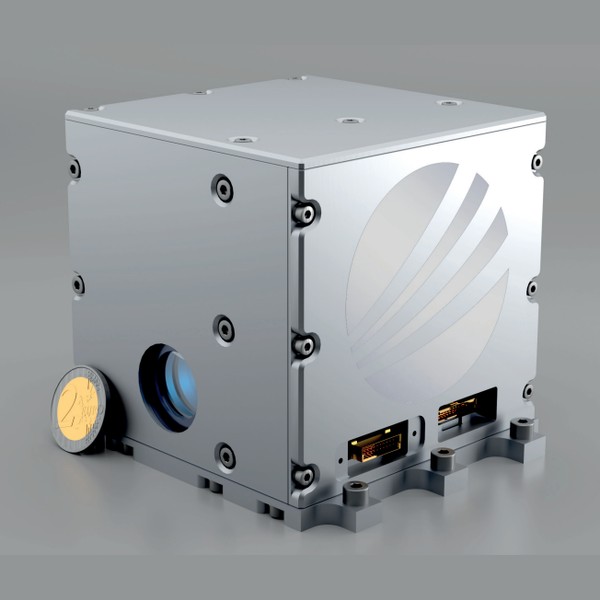
The Tesat SCOT20 - Smallsat Optical Communication Terminal is a 1U, 1.6kg lasercom system operating in the range LEO to LEO/LEO to Ground; 2,000 km.
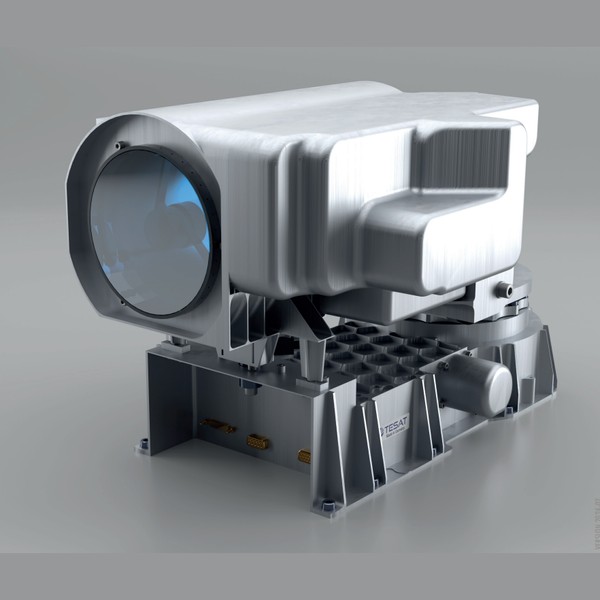
The Tesat SCOT80 - Optical Communication Terminal for Satellite Networks is a lasercom system designed for LEO broadband constellations, with a operating range of 8,000 km.
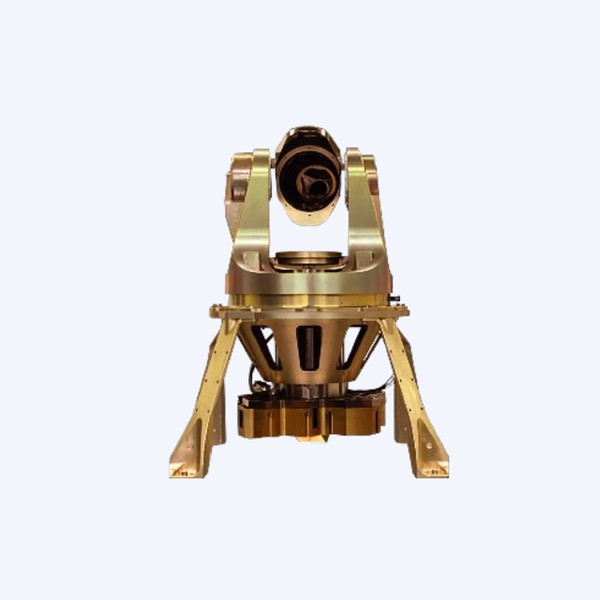
The Voyager Space µLCT™ Laser Communication Terminal is a full duplex suitable for LEO, MEO, and GEO applications, including use as an OISL (Optical Inter Satellite Link), a spacecraft to ground link, or a spacecraft to UAV link.
The system can provide data rates up to 400+ Gbps and is capable of GEO-to-GEO crosslinks at 80,000 km.
Need help finding the best solution?
Share your requirements with us now
Would you like to be featured on satsearch?
Click here to get started today
Resources and further reading
- Laser communication for space
- Satellite to satellite communication
- The future for optical laser communications systems for satellites
- Hosted payload missions and services
- Satellite communications supply chain hub
- Key enablers for next generation satellite communications payloads – with Texas Instruments
- The state of Space Situational Awareness (SSA) – with Vyoma
- The Space Engineering Resource Hub
- Parts of satellites – an overview of the main components
- Space electronics supply chain hub