Water-based thrusters offer a compelling solution to the challenges of safe, consistent, and sustainable (in all senses of the term) propulsion in orbit. In fact, the future success of many applications in space is reliant upon this capability being optimized.
Whether we consider improving today’s Earth Observation (EO) missions or enabling ambitious future scenarios on the Moon, Mars, or in deep space, the ability to precisely manipulate and transport space hardware is a key enabler. And water-based thrusters aim to offer a solution that lowers risk and has the potential to work with sources of fuel already in space – i.e. wherever water can be accessed.
So, what does the supply chain look like today? In this article we take a brief look at how water-based thrusters are used in orbit, discuss what to consider when selecting an option for your next mission, and share details of commercially-available units on the market in April 2025. If you’re already familiar with the technology and would like to go straight to the supply chain review, please click here.
Using water-based thrusters in space
While water-based thruster technologies have been researched for many years, this category of propulsion technologies has become broader in recent years as more innovation has been brought to the market. But essentially it refers to any propulsion system that uses water as a propellant in space.
Water can create thrust when it is directly propelled from a satellite or spacecraft. It can also be broken down into oxygen and hydrogen which can then be used as the propellant. Many thrusters use electrolysis to achieve this, applying energy from onboard batteries or collected by solar panels.
All of the typical propulsion use cases can be enabled with water-based systems, including;
- Orbital maintenance and insertion
- De-orbiting upon mission completion (or failure)
- Formation flying of multiple satellites
- Collision avoidance
In such applications water can bring certain advantages. Traditional chemical propellants used in the space industry have the advantage of being able to generate high thrust when combusted in orbit. However, they are more difficult to store and handle, and are often dangerous for both humans and technology.
Water, in contrast, is safe and simple to use. It comes with lower associated risks – a very important consideration for launch – making it easier to qualify your system. And it is much more cost-effective as a fuel – in terms of price per litre, just for the propellant itself.
In the next section we take a look at some of the technical considerations that go into deciding the best thruster option for your next mission.
Selecting a water-based thruster for space
The selection of any thruster is a major decision for a space mission. The choice needs to be primarily driven by the mission plan (particularly the required and expected manoeuvres, de-orbit plan, and some contingency for collision avoidance and changing priorities) but gaining an understanding of the opportunities on the market can also feed back into the plan too.
When these operational needs are translated to hardware requirements, a propulsion unit will also come with a range of knock-on requirements and trade-offs relating to other components and subsystems to take into account in the systems engineering process. And here are a few questions and points to consider when assessing these in terms of your next mission:
Thruster system make-up
- Do you need a complete system (typically comprising of a propellant tank, thruster head, and the necessary fluidics, electronics, valves, and other components in an end-to-end solution), or just one aspect of the thruster?
- Is it important to your current mission plans, or future scale-up ambitions, if these system elements are modular and/or interoperable with other components or system setups?
Hardware vs. mission complexity
- Do you need just one thruster, firing in one direction? Or would a cluster of systems better suit your needs?
- It’s important to remember that a more complex setup will result in more complicated engineering and qualification, but will also enable more multi-faceted mission plans and versatile operation.
True heritage
- Are you clear about the actual in-orbit heritage of the systems you are considering?
- Thruster heritage is, of course, understood using the Technology Readiness Level (TRL) scale.
- However, applying this scale accurately needs both a clear mission plan and a deep understanding of the propulsion technology itself.
- Some industry experts have therefore presented a complementary assessment scale called Progress Toward Mission Infusion (PMI) for thrusters that you may want to consider. Find out more on this here.
Logistics
- Although water itself is simple to access and handle, actually fuelling a thruster can be a complicated operation.
- Therefore you should consider whether you need a solution that comes pre-fuelled or not.
- In addition, while some water-based thrusters operate with non-pressurized propellant, some require pressurization, which has storage, testing, and qualification implications too.
These are just a few of the many considerations that go into selecting the right propulsion unit for your mission or project needs. It isn’t as simple as basing the choice on the mass of your satellite, thruster impulse requirements, and expected number of firings (or firing time) – though these are all very important aspects.
The more information about the real systems available on the global market that you have, the better informed this choice will be. So take a look at the next section for more.
Water-based thrusters on the global market
This section includes a variety of water-based propulsion systems available on the global market today. Click on the links to open pages with more detail on each of them.
From these pages you can submit requests for quotes, documents, or further information by the supplier, and we’ll handle the request for you (find out more about how this all works here).
If you want to shortcut this process, or need some assistance refining either your specific water propellant thruster or more general propulsion requirements, you can instead submit an open tender and our expert procurement team will get back to you ASAP.

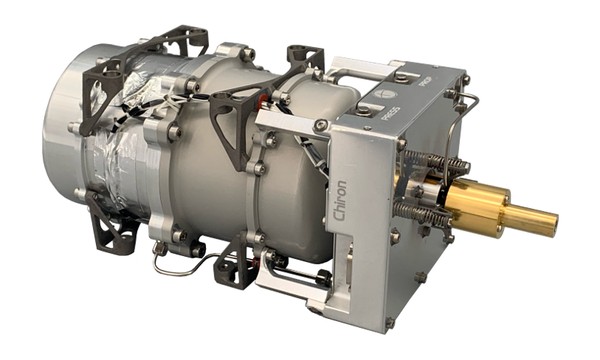
A launch-safe and cost-effective electrothermal propulsion system that uses water as propellant. The Comet produces 17 mN thrust with a specific impulse of 175s. It is approved for flight on multiple launch vehicles and features a flexible interface suitable for use with a wide range of spacecraft sizes.
 Request quote
  request info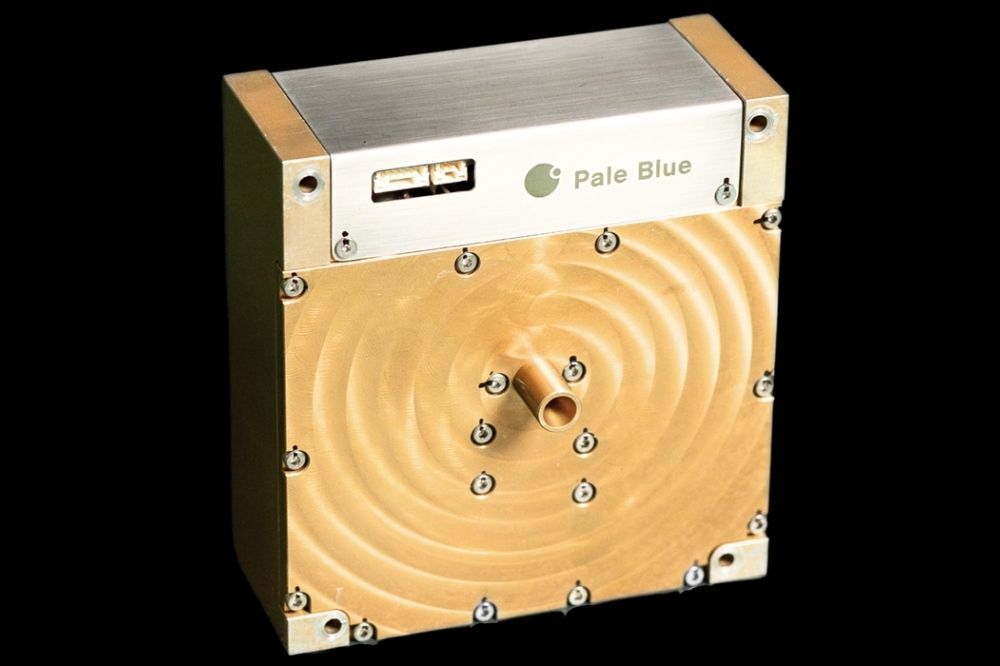
PBR-10 (Water-based Resistojet Thruster) is a low-pressure (<60 kPa) propulsion system with a scalable water tank and a redundant flow control system with a fail-safe valve. The thruster unit is modular and it is possible to expand the overall system by clustering multiple units and scaling the propellant tank as needed. The limits of such clustering or scaling are determined by the mass, volume or power of a spacecraft.
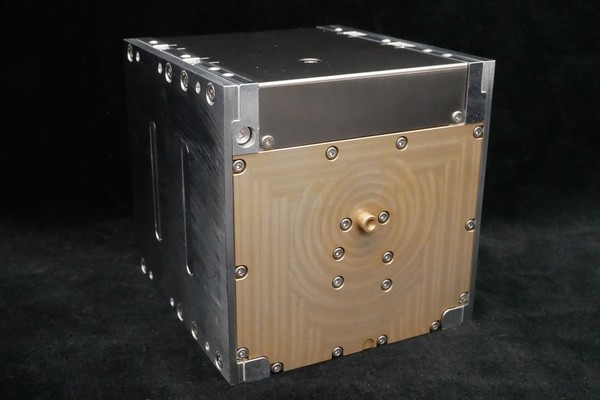
PBR-20 (Water-based Resistojet Thruster) is a low-pressure (<60 kPa) propulsion system with a scalable water tank and a redundant flow control system with a fail-safe valve. The thruster unit is modular and it is possible to expand the overall system by clustering multiple units and scaling the propellant tank as needed. The limits of such clustering or scaling are determined by the mass, volume or power of a spacecraft. The individual units provide a total impulse of >220 Ns and a specific impulse of >70 s, with a thrust of 1 mN. The first model was demonstrated aboard a 3U ISS-deployed CubeSat in 2019 and two flight model thrusters are to be delivered in 2021 and launched by SLS and Falcon-9, respectively. The thruster operated in low earth orbit in March 2023 on board the Sony "EYE" satellite.
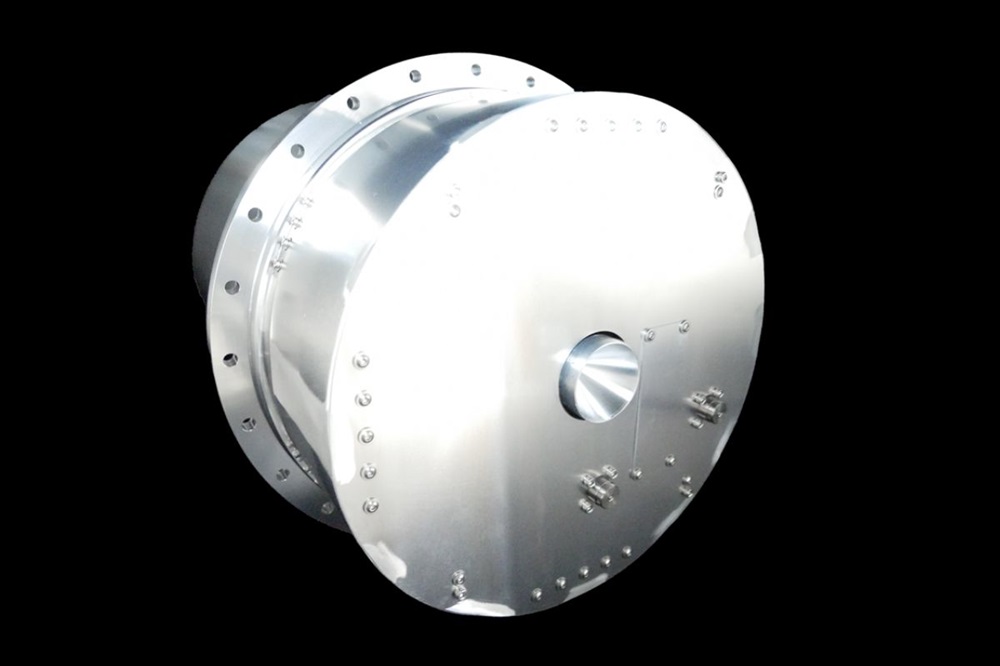
PBR-50 (Water-based Resistojet Thruster) is a low-pressure (<60 kPa) propulsion system with a scalable water tank and a redundant flow control system with a fail-safe valve. The thruster unit is modular and it is possible to expand the overall system by clustering multiple units and scaling the propellant tank as needed. The limits of such clustering or scaling are determined by the mass, volume or power of a spacecraft. The individual units provide a total impulse of >4,400 Ns and a specific impulse of >70 s, with a thrust of 10 mN. The first model was launched in early 2024.
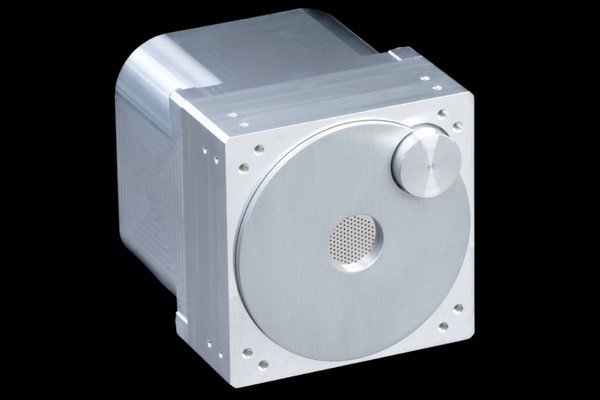
PBI (Water Ion Thruster) is a low-pressure, low-power propulsion unit with a scalable water tank and a redundant flow control system. It features hollow cathodes and electrodes for enhanced lifetime of the overall system. It features both UART and RS422 command interfaces. The propulsion system is modularized and it is also possible to enhance the overall system by clustering thruster units and scaling the propellant tank as needed. Two micro-discharge ion thrusters driven by Xenon were demonstrated in 2014 and 2015, and two flight model propulsion systems were delivered to JAXA in 2021. The latest upgraded model is planned to launch in 2025 through the JAXA RAISE-4 Program.
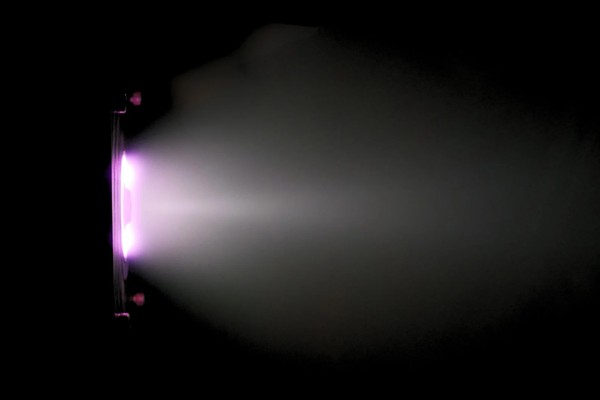
PBH (Water Hall Thruster) is a low-pressure, low-power propulsion unit with a scalable water tank and a redundant flow control system. It features hollow cathodes and electrodes for enhanced lifetime of the overall system. It features both UART and RS422 command interfaces. The propulsion system is planned to launch by 2028.

The water-based propulsion system has a compact and lightweight design with various tank sizes, that are customizable for mission requirements. The thruster enables full 3-axis attitude control for target satellites 1–3U, 6U, and 12U, based on the tank variants.

One of the smallest available systems capable of controlling all directions of satellite movement. The thruster offers a customizable tank and module size with 4 or 6 degrees of freedom (ARM-AO vs ARM-6) and integrated attitude determination. The thruster technology is safe, green and has low power consumption.

ARM-O is a CubeSat propulsion system designed for orbital control, station-keeping, and collision avoidance, utilizing a water-based propellant. ARM-O is the simplest variant of the Aurora Resistojet Module product family and generates unidirectional thrust. 1-4 thrusters can be included based on requirements.
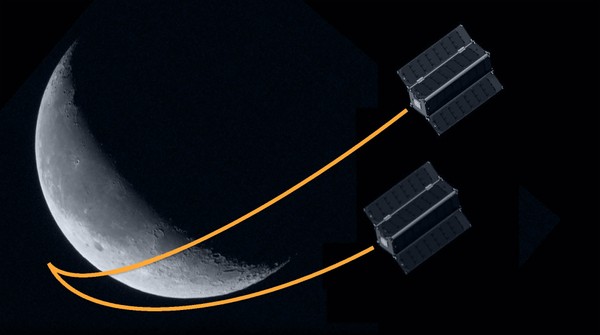
The Aurora Resistojet Module, Aurorar Resistojet Module ARM-C is a compact and modular thruster using water-based propellant and designed for small maneuvers such as for collision avoidance.

The ARM-E can be attached to typically any external propellant tank. The thruster is suitable for satellites that require accurate movement functionality, such as attitude control, more precise control, or greater additional thrust. The variants include ARM-AE, ARM-AOE, ARM-OE, and ARM-6E.
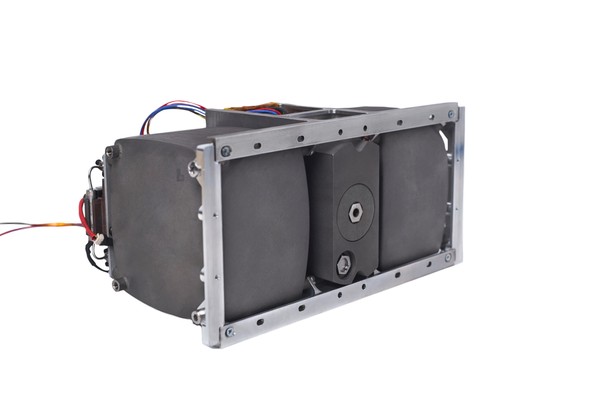
The Steam Thruster One is a flight-proven, water-powered, electrothermal propulsion system specifically designed for CubeSats and Small Satellites. The system features a tailored design and manufacturing approach that allows for customization, to meet a wide range of different mission requirements. The specifications are given for a representative 2U propulsion unit.
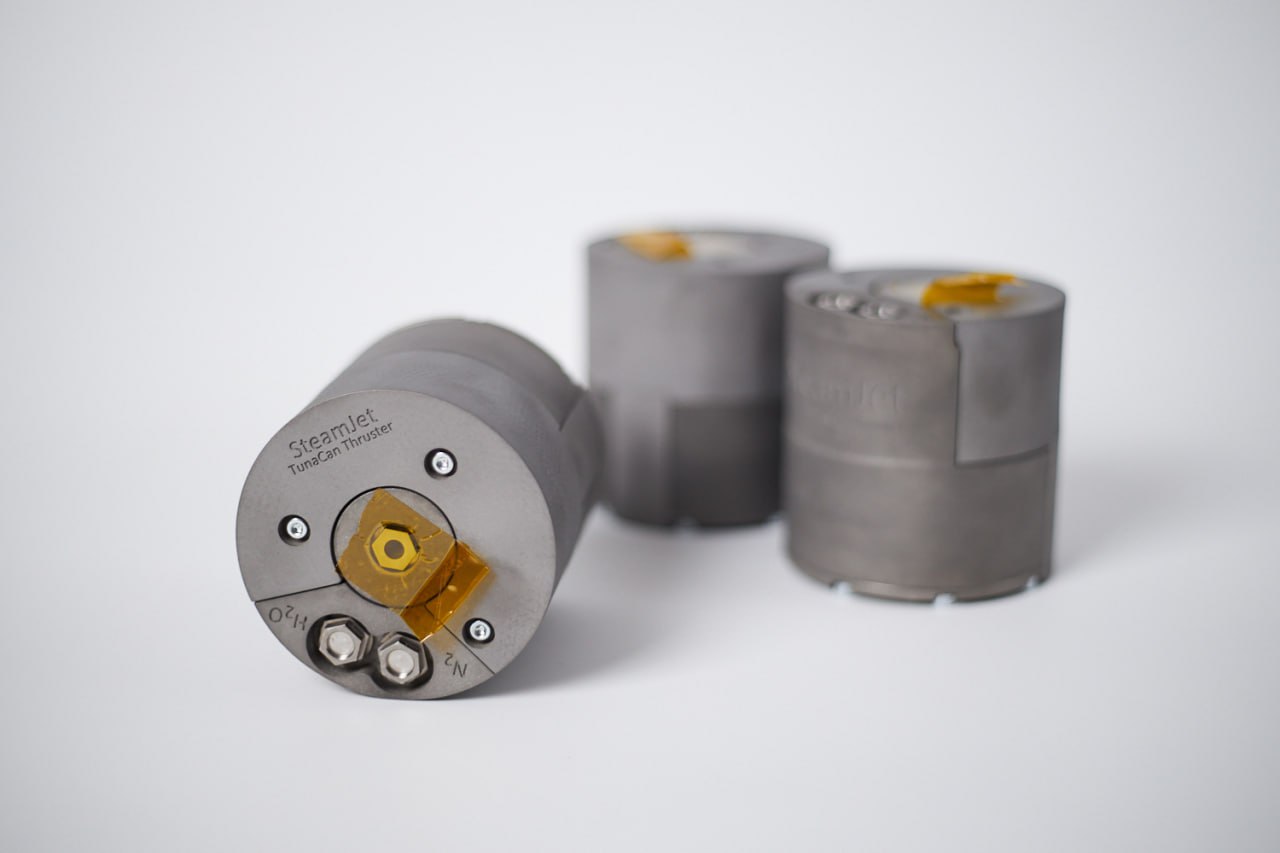
The Steam TunaCan Thruster is a water-powered, electrothermal propulsion system specifically designed for CubeSats. The tailored shape factor has been designed to allow its installation in the “tunacan” volume located outside the main CubeSat structure, available in most of the CubeSats deployers.
The URA Thrusters Hall-effect Thruster (Het) is a satellite propulsion system employing either water vapour or gaseous oxygen to generate thrust.
The URA Thrusters Ice - Electrolysis Thruster is a MEMS-manufactured system that combines hydrogen-oxygen catalytic combustion and water electrolysis.
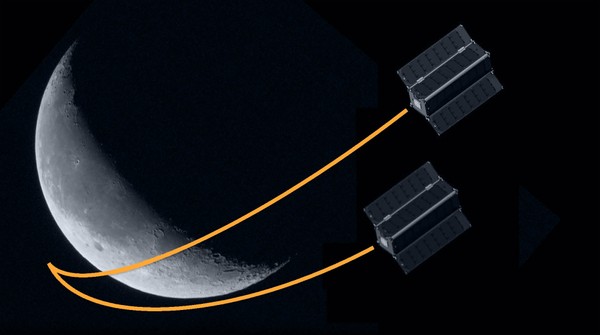
The URA Thrusters Microwave Electrothermal Thruster (Met) creates a free-floating plasma discharge that can be used to heat a range of propellants including water.
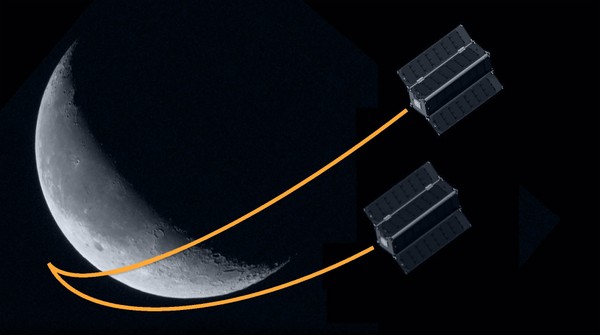
The URA Thrusters Hydra - Hybrid Propulsion System is an electrolysed water chemical-electrical propulsion system that enables operators to use both a hall-effect thruster and a chemical bipropellant engine.
Need help finding the best solution?
Share your requirements with us now
Would you like to be featured on satsearch?
Click here to get started today
Resources and further reading
- A guide to adopting thrusters on small satellite missions [webinar]
- CubeSat thrusters and small satellite propulsion systems on the global market
- Thruster propellant tanks on the global market
- The spacecraft propulsion supply chain hub
- The Space Engineering Resource Hub by satsearch
- Satellite components – an overview
- Attitude actuators supply chain hub
- Spotlight: De-risking the supply chain for electric propulsion systems – with ENPULSION
You can also see more information on real-world use cases of thrusters in space missions in this video from a satsearch webinar: