Satellite transport containers are essential for safely delivering satellites from manufacturing facilities to launch sites, integration locations, and testing facilities.
As you know, satellites are highly precise technologies, with several components that are carefully aligned and integrated – particularly optics and certain deployable subsystems.
Satellite shipping containers must protect these contents from environmental hazards, mechanical shocks, and other potential damage during transportation.
The space industry is an increasingly globalized market, with suppliers and buyers collaborating across different geographies, and often working to demanding timescales.
As the demand for reliable and efficient satellite transport solutions is growing, the market for innovative transport container technologies is keeping pace.
In this article we share some basic advice on how to choose the most suitable satellite transport container for your needs along with information on systems from across the global market.
If you’re familiar with how satellite transport containers work and would instead like to skip straight down to the information about the products on the market, please click here.

Primary uses of satellite transport containers
While some logistics companies will only use their own proprietary standard or custom containers for shipping satellites, there are a number of suppliers on the market making specialist options. These are typically required for the following purposes:
Transport between manufacturing, assembly, integration, and testing (MAIT) facilities
Although many satellites are fully integrated at a single location, there are many reasons why certain pieces of hardware may need to be transported between MAIT sites, such as:
- Delivery of the primary payload to the satellite integration site,
- Shipping subsystem components to and from testing and qualification facilities,
- Replacing modular elements in the event of a technical or logistical issue, and
- Transporting components for enhancements, such as the addition of optical coatings.
Transport to launch sites
Satellite transport containers are crucial for safely transporting satellites from manufacturing facilities to launch sites, by air or ground transport:
- Air transport – such containers are designed to meet stringent aviation standards and ensure safe air transport to distant launch locations.
- Ground transport – such containers are designed to withstand the rigors of ground transportation, including by both road and rail. These containers protect satellites from mechanical shocks and environmental hazards.
Storage and handling
In addition to transportation, satellite transport containers can also provide secure storage and handling solutions. This is sometimes (unfortunately) vital due to mission or launch delays. The most common uses are:
- Pre-launch storage – satellite containers serving as secure storage units, maintaining optimal environmental conditions for space hardware awaiting launch or further testing.
- Handling and integration – units designed for ease of handling and integration. Such containers are typically used to facilitate the transfer of satellites to launch vehicles and other operational stages.
On-orbit delivery
There are also certain specialist satellite transport technologies designed for on-orbit delivery, providing protection during launch and deployment. Typically these will form part of the satellite deployer or dispenser, thought there may be independent aspects for:
- Launch Vehicle (LV) integration – such containers integrate with LVs to ensure the satellite is protected during mission preparation.
- Deployable or deployment mechanism enablement – systems that feature advanced or non-standard deployable or deployment mechanisms (to facilitate complex mission goals and ensure the safe release of satellites into their designated orbits) may require specialist container solutions.
In the next section we review some of the common criteria that will help you determine which type of container best meets your needs.
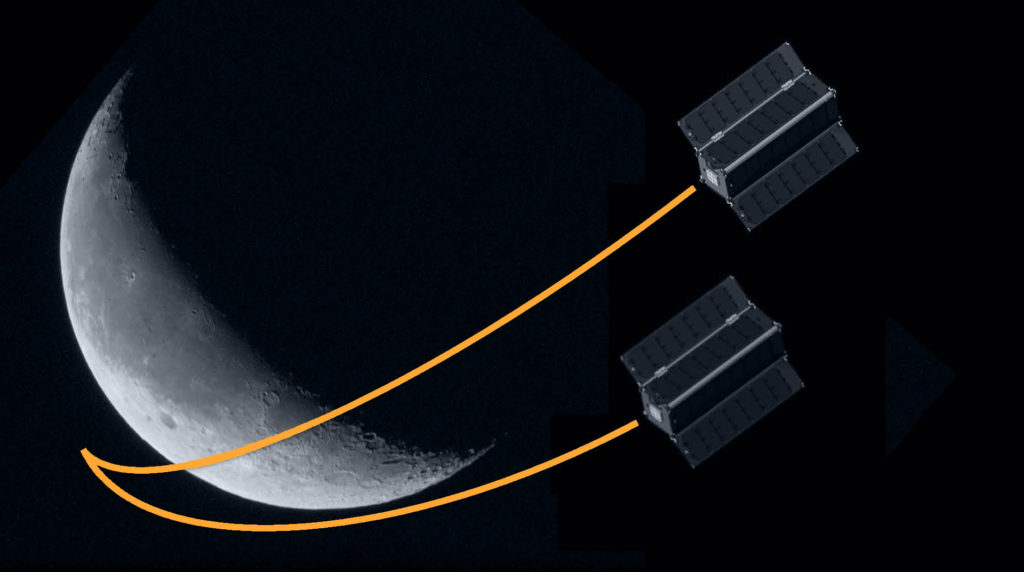
How to select a satellite transport container for your next mission
The primary factors to weigh up when selecting the right satellite transport option for your needs are suitability (i.e. will the container fit your system and keep it safe for the journey on which its required?), availability (can you access it when you need it?), and cost.
To break down the suitability criteria further, consider the following technical aspects that characterize commercially-available space hardware shipping containers:
Material and construction
Satellite transport containers are constructed using high-performance materials designed to provide robust protection and support. Commonly used materials are:
- Aluminum alloys – lightweight yet strong, aluminum alloys are used for their excellent strength-to-weight ratio and corrosion resistance.
- Composite materials – carbon fiber-reinforced polymers offer superior strength and durability while minimizing the weight of the container.
- Thermal insulators – high-performance insulation materials are incorporated to maintain a stable internal temperature and protect the satellite from extreme thermal variations.
Vibration and shock mitigation
To safeguard satellites and subsystems against mechanical shocks and vibrations during transport, containers can employ several advanced features that you may require, such as:
- Shock absorbers – integrated shock absorbers and dampening systems reduce the impact of mechanical shocks and vibrations.
- Vibration isolation systems – designed to isolate the contents from vibrations generated during transportation, ensuring the integrity of sensitive components.
Environmental protection
Space hardware transport containers may also provide comprehensive environmental protection to ensure the satellite’s safety, consisting of:
- Humidity control – control systems prevent moisture accumulation, protecting the satellite’s electronics and sensitive components.
- Dust and contaminant sealing – sealed designs prevent the ingress of dust and other contaminants, maintaining a clean environment for the satellite.
- Temperature regulation – active and passive thermal regulation systems maintain the internal temperature within specified limits, protecting the satellite from thermal stress.
Configurations and customization
Depending on your requirements, it may be possible to customize an available container to meet your specific needs.
While many standard containers are designed to accommodate a wide range of satellite sizes and shapes, providing a cost-effective solution for common transport needs, you may need to select a bespoke option if you have non-standard satellite dimensions or unique payload contents requiring additional protection during transit.
In the next section you can view containers available from suppliers around the world.
Satellite transport and shipping containers on the global market
This section includes a variety of satellite transport containers available on the global market today. You can click on any of the links below to open pages with more detail on each system.
From these pages you can then submit requests for quotes, documents, or further information by the supplier, and we’ll handle the request for you (find out more about how this all works here).
If you want to shortcut this process, or need some assistance refining either your specific satellite container or more general shipping and logistics requirements, you can instead submit an open tender and our expert procurement team will get back to you ASAP.
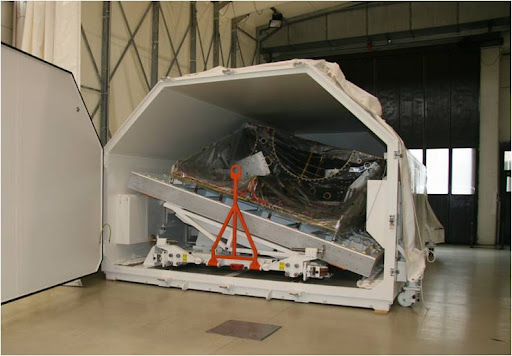
Alex sistemi SpA is the leading company in the design, manufacture, integration and testing of Spacecraft Transport Containers and Modules.
 Request quote
  request info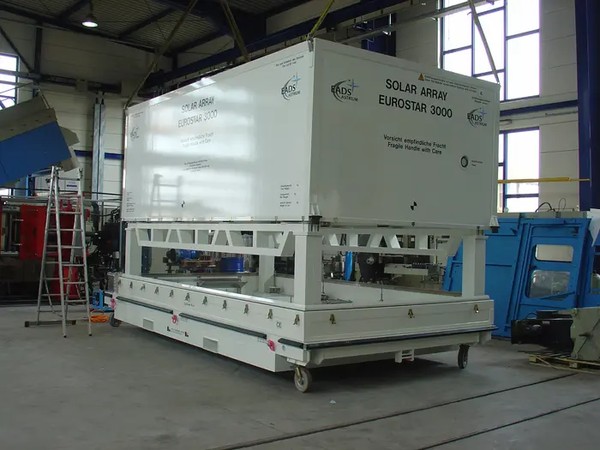
AlpinaTec develops and builds customer-specific transport containers for satellites and other sensitive equipment.


Beyond Gravity provides transport and shipping containers for satellites of all sizes, from smallsats to geosatellites and deep space spacecraft.
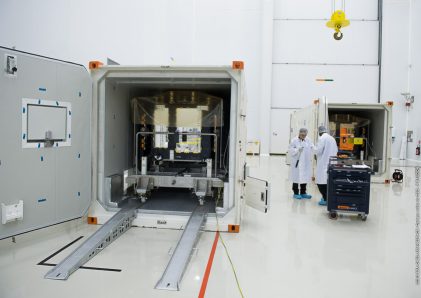
Elital designs and manufactures mechanical, electronic equipments and complete systems serving the civil, commercial and professional space market.
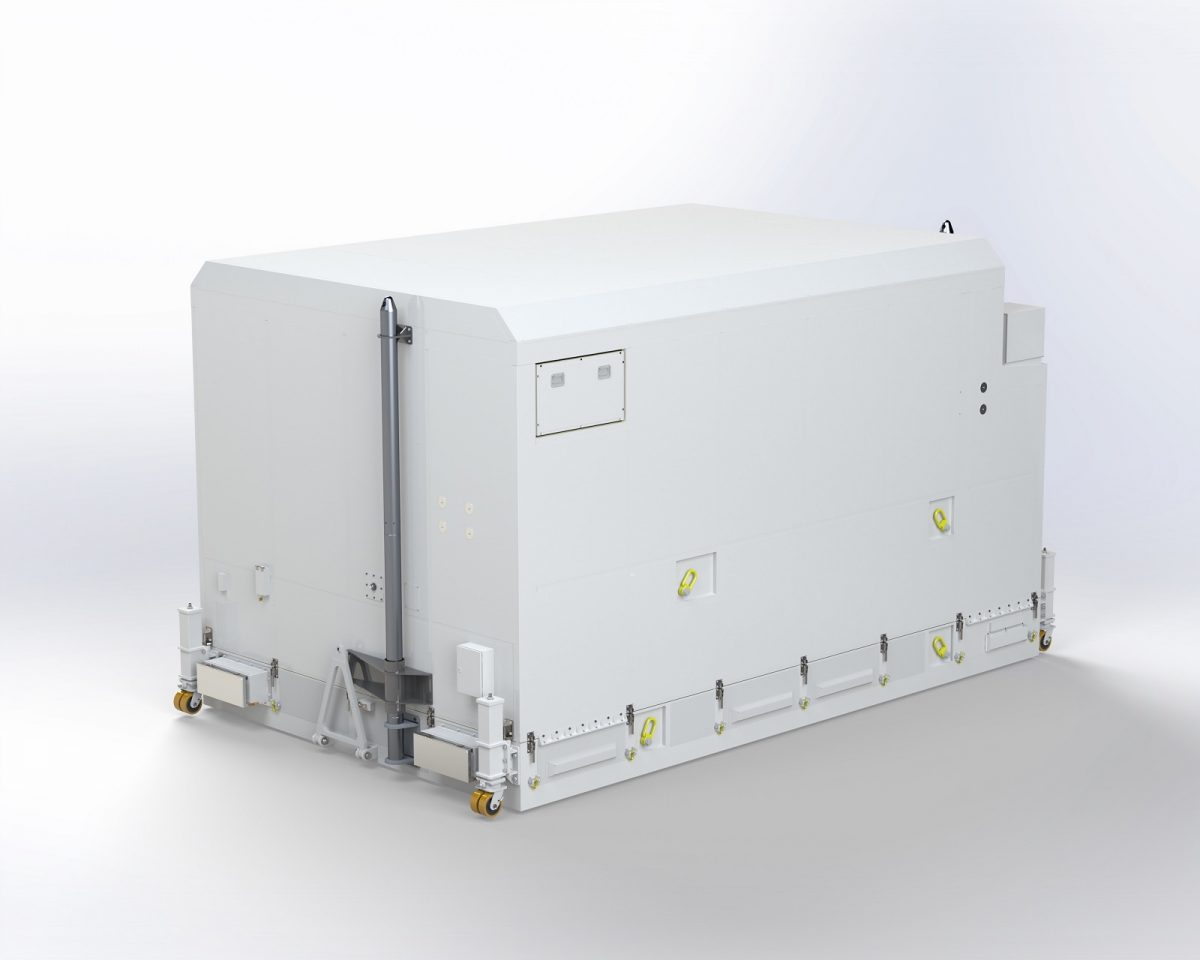
EPS is involved in the design, development and project management of containers and handling equipment for the defence and aerospace industries.
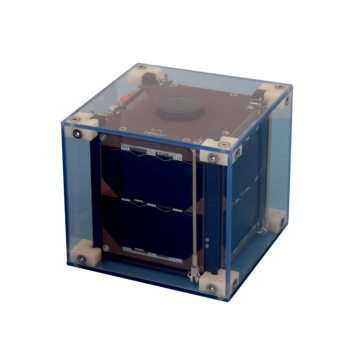
GomSpace is a global designer, integrator and manufacturer of high-end nanosatellites for customers in the academic, government and commercial markets
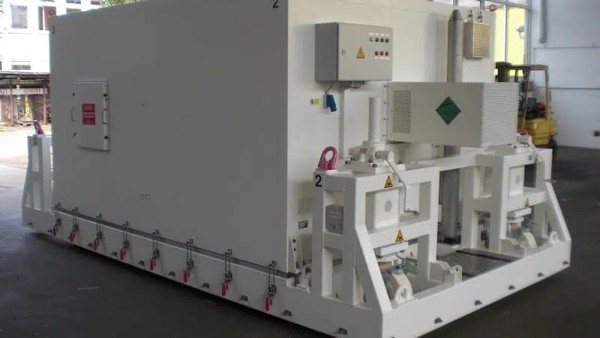
MCE plans, develops and implements customer-oriented solutions in the demanding field of structural steel plants in the aerospace sector.

VRR develop a series of containers for the aerospace industry for transportation of solar array wings in a convenient and cost-effective way.
Need help finding the best solution?
Share your requirements with us now
Would you like to be featured on satsearch?
Click here to get started today