
Thruster propellant tanks have become essential components in larger, versatile, and complex spacecraft, providing secure storage for the fuels and oxidizers needed to power space missions.
These tanks must endure extreme conditions, including high pressures, cryogenic temperatures, and the vacuum of space, while ensuring safe, consistent, and efficient provision of thruster fuel to meet mission demands.
As demand for more complex missions, and more advanced and reliable space technologies grows, the market for innovative propellant tank solutions is also growing.
In this article we share some basic advice on how to choose the most suitable propellant tank for your needs along with information on systems from across the global market.
If you’re familiar with propellant tanks and would instead like to skip straight down to the information about the products on the market, please click here.
Advice on selecting thrusters for propellant tanks
Selecting the most suitable propellant tank for a space mission is important to ensure the propulsion system operates effectively. Here are some of the key factors that engineers should consider:
Materials and construction
Propellant tanks are built using a variety of advanced materials such as titanium alloys, aluminium alloys, and composite materials, each offering unique advantages, for example:
- Titanium alloys – designed to provide a high strength-to-weight ratio and excellent corrosion resistance, essential for the durability and efficiency of spacecraft components.
- Aluminium alloys – known for their balance of strength and lightweight properties, aluminium alloys are designed to offer cost-effective and easily manufacturable solutions for various space missions.
- Composite materials – such as carbon fiber-reinforced polymers, are designed to deliver exceptional strength-to-weight ratios, and resistance to corrosion and thermal stress, making them ideal for modern thruster propellant tank designs.
Cryogenic capability
Many space missions require the storage of cryogenic propellants, such as liquid hydrogen (LH2) and liquid oxygen (LOX), necessitating advanced features to maintain low temperatures and minimize propellant boil-off:
- Insulation – multi-layer insulation (MLI) is used to reduce thermal transfer and maintain the cryogenic temperatures required for propellant storage.
- Boil-off reduction systems – technologies such as vapor-cooled shields and zero boil-off systems are designed to manage and reduce boil-off, enhancing the efficiency of cryogenic tanks.
Pressure management
To ensure structural integrity under high pressure, propellant tanks incorporate advanced pressure management systems:
- Pressure regulators – these devices are designed to control the internal pressure of the tank, ensuring safety and operational efficiency.
- Relief valves and burst discs – these safety mechanisms are designed to prevent overpressure situations, ensuring the tank’s structural integrity.
Configurations and customization
Thruster propellant tanks come in various shapes and sizes to fit different spacecraft designs and mission requirements:
- Cylindrical tanks – these tanks are designed for their straightforward construction and ease of manufacture.
- Spherical tanks – offering a high volume-to-surface-area ratio, spherical tanks are designed for efficient propellant storage.
- Toroidal tanks – these tanks provide unique configurations designed to fit specific spacecraft designs and mission requirements.
Commercially-available systems
This section includes a variety of propellant tanks for propulsion systems available on the global market today. You can click on any of the links provided to open pages with more detail on each system.
From these pages you can then submit requests for quotes, documents, or further information by the supplier, and we’ll handle the request for you (find out more about how this all works here).
If you want to shortcut this process, or need some assistance refining either your specific propellant tank or more general propulsion requirements, you can instead submit an open tender and our expert procurement team will get back to you ASAP.


The Rafael Ltd PEPT-590GB is a 204 litre Positive Expulsion Propellant Tank with flight heritage and EPDM based rubber diaphragm qualified for ADN-based green propellant. The shape of tank is cylindrically extended hemispheres and is compatible with Hydrazine, IPA, distilled water, GN2 and GHe. The silica-free diaphragm allows for multiple cycles of usage with no limitation to the degree of filling.
 Request quote
  request info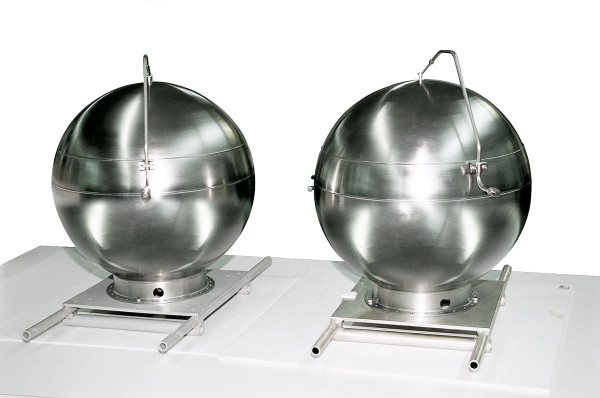
The Rafael Ltd PEPT-420 is a 37.5 litre Positive Expulsion Propellant Tank with EPDM-based rubber diaphragm qualified for ADN-based green propellant. The spherically shaped tank is compatible with Hydrazine, IPA, distilled water, GN2 and GHe and has flight heritage. The silica-free diaphragm allows for multiple cycles of usage with no limitation to the degree of filling.

The Rafael Ltd PEPT-260 is a 9.3 litre Positive Expulsion Propellant Tank with EPDM-based rubber diaphragm qualified for ADN-based green propellant. The spherically shaped tank is compatible with Hydrazine, IPA, distilled water, Gn2 and GHe and has flight heritage. The silica-free diaphragm allows for multiple cycles of usage with no limitation to the degree of filling.
The Rafael Ltd PEPT-230 is a 6 litre Positive Expulsion Propellant Tank with EPDM-based rubber diaphragm qualified for ADN-based green propellant. The spherically shaped tank is compatible with Hydrazine, IPA, distilled water, Gn2 and GHe and has flight heritage. The silica-free diaphragm allows for multiple cycles of usage with no limitation to the degree of filling.
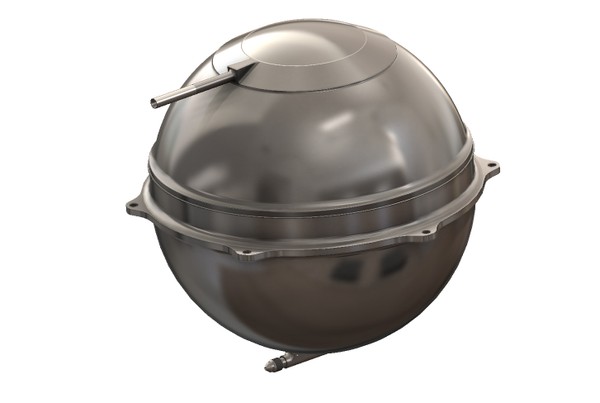
The Rafael PEPT-200 Propellant Tank is designed for space applications. It has a spherical configuration and consists of a maximum propellant capacity of 3.3 kg. The tank has an equatorial mounting with a dry mass of 0.91 kg ± 0.05 kg. Its fluid medium compatibility consists of hydrazine, IPA, distilled water, GN2, and GHe. The product is currently under development.

The Rafael Ltd PEPT-330 is a 17.5 litre Positive Expulsion Propellant Tank with EPDM-based rubber diaphragm qualified for ADN-based green propellant. The spherically shaped tank is compatible with Hydrazine, IPA, de-ionized water, GN2 and GHe and has flight heritage. The silica-free diaphragm allows for multiple cycles of usage with no limitation to the degree of filling.

The Rafael Ltd PEPT-590 is a 102.5 litre Positive Expulsion Propellant Tank with EPDM-based rubber diaphragm qualified for ADN-based green propellant. The spherically shaped tank is compatible with Hydrazine, IPA, distilled water, GN2 and GHe and has flight heritage. The silica-free diaphragm allows for multiple cycles of usage with no limitation to the degree of filling.


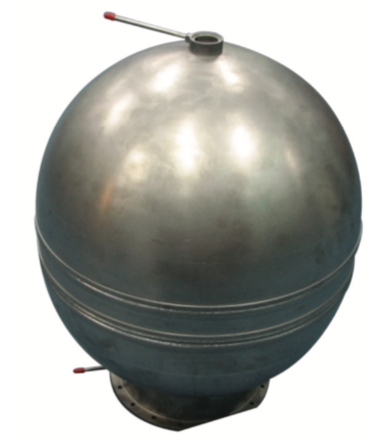


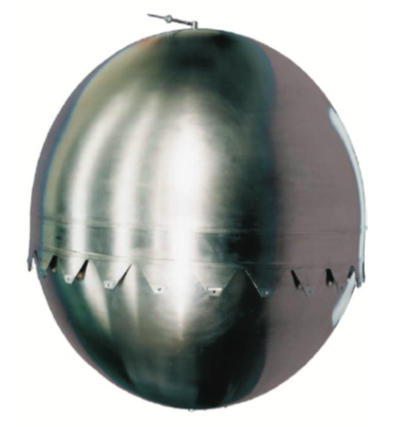
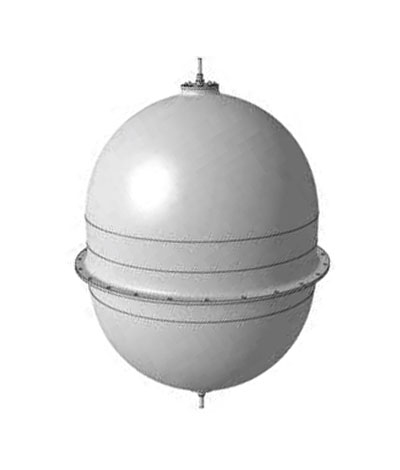
The Orbital Propulsion Centre is a division of the ArianeGroup, renown for quality and performance in spacecraft propulsion.
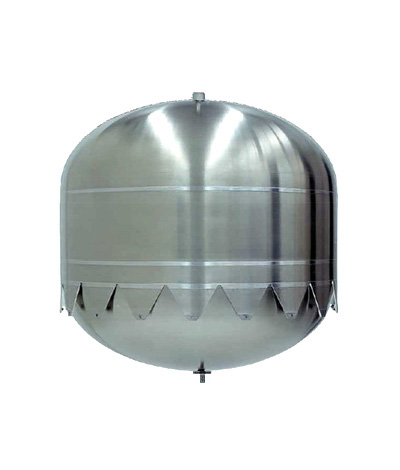
The Orbital Propulsion Centre is a division of the ArianeGroup, renown for quality, reliability and performance in spacecraft propulsion.
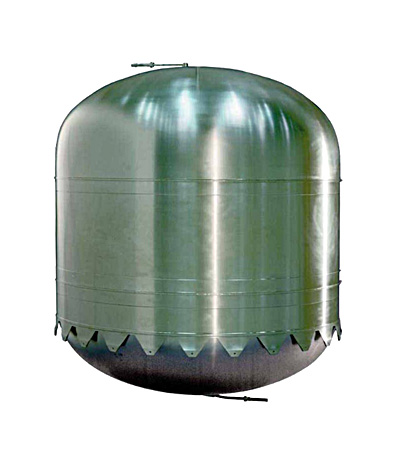
The Orbital Propulsion Centre is a division of the ArianeGroup, renown for quality, reliability and performance in spacecraft propulsion.
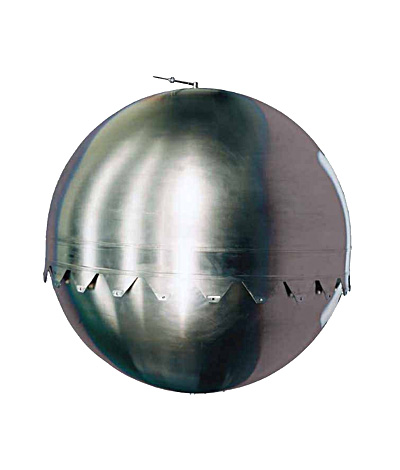
The Orbital Propulsion Centre is a division of the ArianeGroup, renown for quality, reliability and performance in spacecraft propulsion.
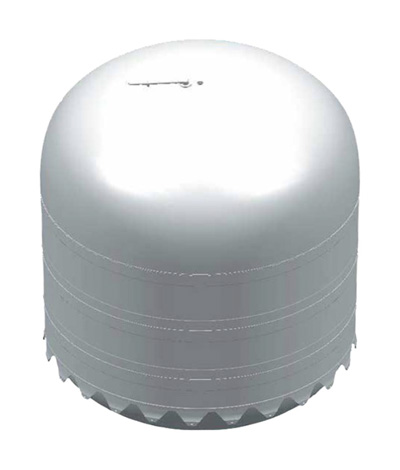
The Orbital Propulsion Centre is a division of the ArianeGroup, renown for quality, reliability and performance in spacecraft propulsion.
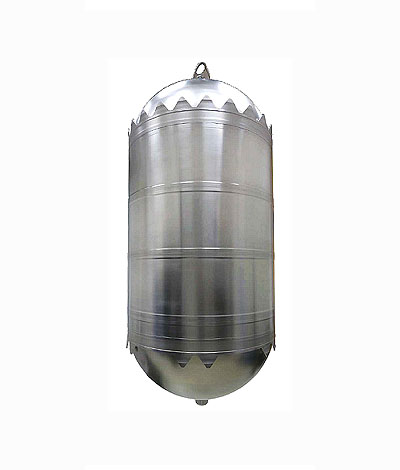
The Orbital Propulsion Centre is a division of the ArianeGroup, renown for quality, reliability and performance in spacecraft propulsion.
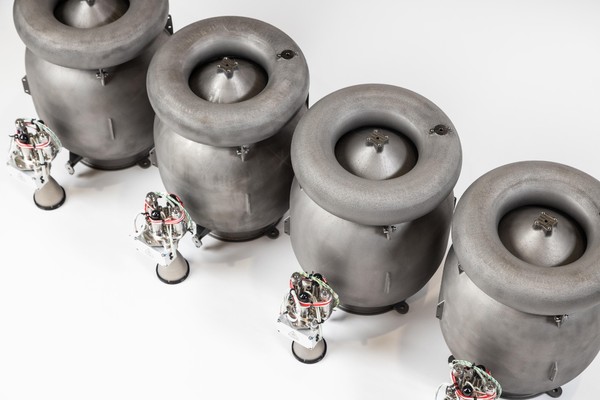
Dawn Aerospace provides custom propellant tank options as part of their turn-key SatDrive product line. Instead of standardizing the tank, they have standardized the product development, applying standard and proven methods from design to manufacturing and qualification to achieve your custom propulsion needs.
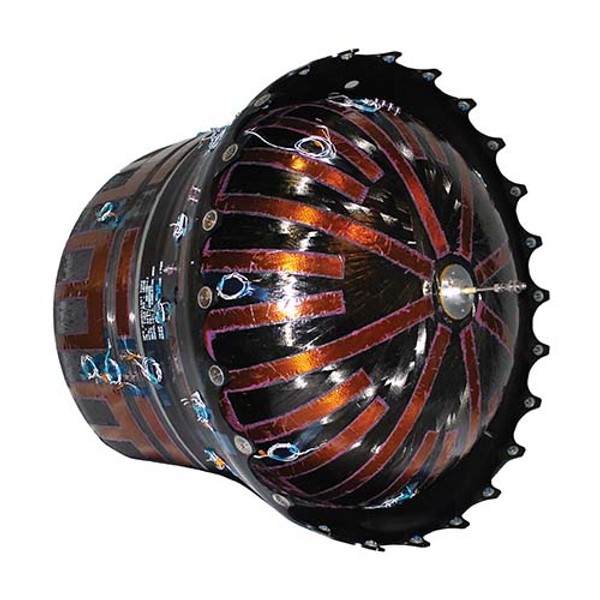
Eaton makes an array of range safety approved composite pressure vessel designs for space applications.
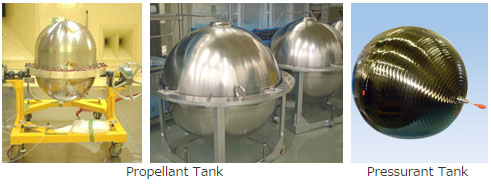
IHI Aerospace develops a wide range of propellant tanks and pressurant tanks from 3 to 1494 liters in volume for launchers and satellites.
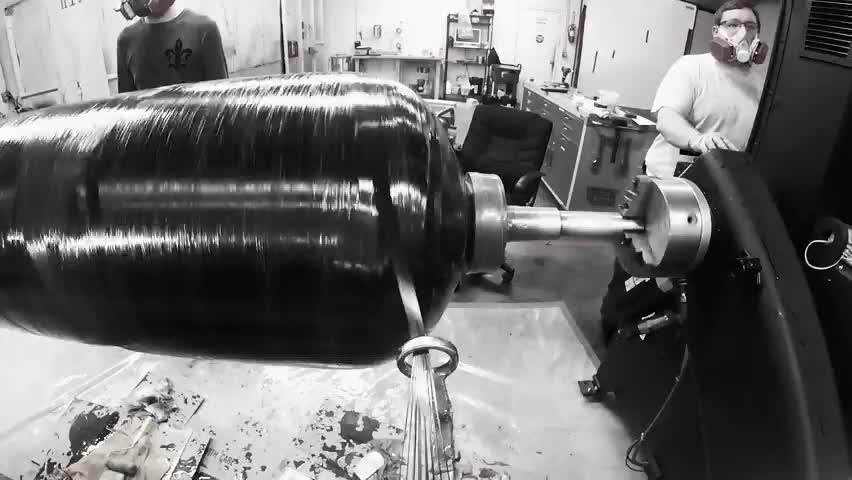
Infinite Composites revolutionizes composite pressure vessel technology, enabling widespread adoption of composite pressure vessels for space.
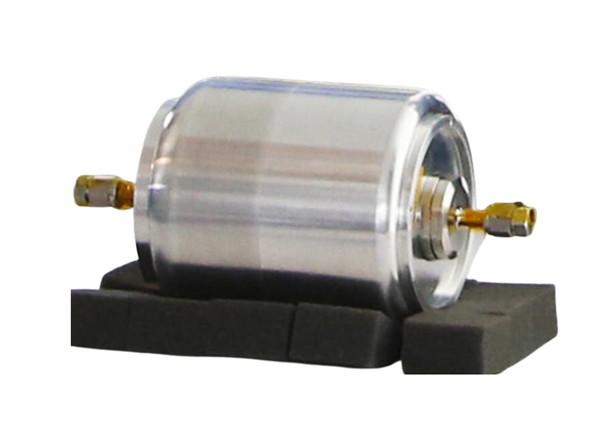
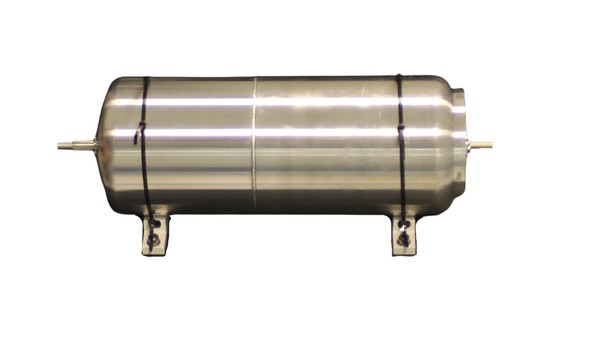

Microcosm provides low cost access to space and low-cost operations in space by reducing space mission cost and enabling affordable and innovative spa
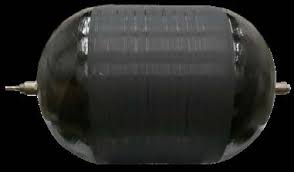
With expertise in manufacturing technologies, MT Aerospace creates high-performance products that combine maximum performance and minimum weight.
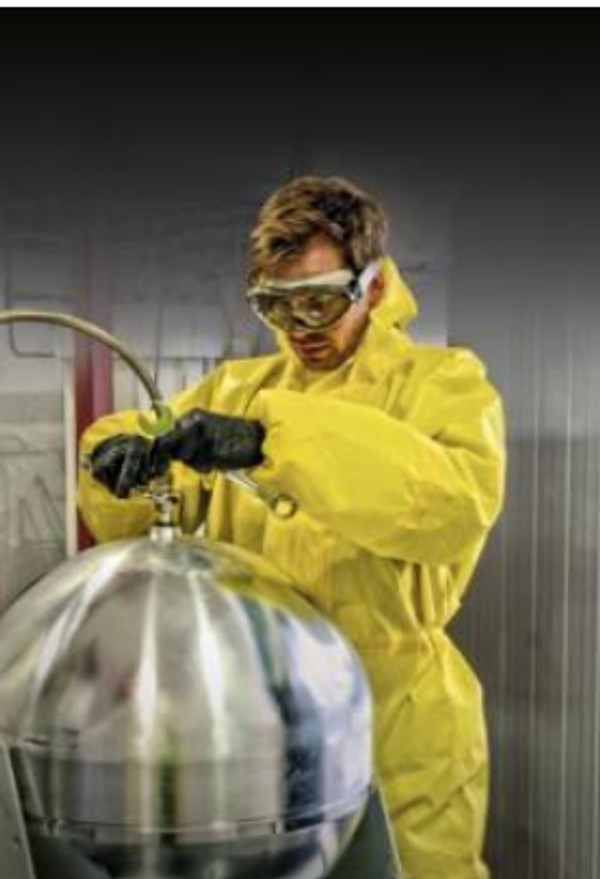
Nammo Space has responded to the growing requirement for demisable tanks required for small launchers and spacecraft.
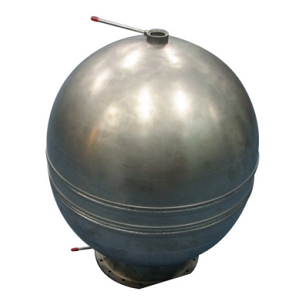
Northrop's leading-edge technologies and agile practices lead to pioneering breakthroughs that enable customers to carry out vital missions in orbit.
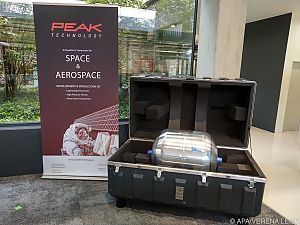
Peak Technology is involved in the development and manufacture of ultra light weight high performance parts for Aerospace and Motorsport industry.
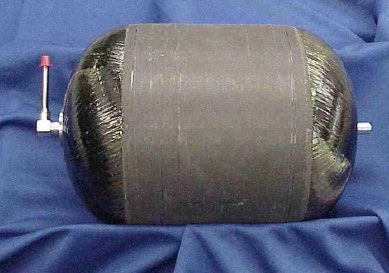
Sierra Space is working to flight qualify gaseous oxygen and nitrox Composite Overwrapped Pressure Vessels to support current programs.
Thanks for reading! If you need any further help identifying thruster propellant tanks for your specific needs, please share your specifications with us and we’ll use our global network of suppliers to find options.
Do you make propellant tanks for propulsion units and want to be included in this article?
Click here to find out how to claim your free profile on satsearch today.
Then, once your pages are live, just send us an email and we can discuss showcasing your products to the global space engineering community on this page.